









Introduction
In places like India, most people still struggle to afford medical care. As drug prices rise, more citizens need reliable treatment options. Given this pressure, the Oversight Group and the National Pharmaceutical Pricing Authority (NPPA) must intervene to ensure that essential medicines do not run out. Their work ensures that life-saving medicines remain accessible to ordinary families.

It’s hard to overlook the role of one key player – the National Pharmaceutical Pricing Authority. This body came into being so that medicine costs could stay under watch. Instead of letting prices climb unchecked, it steps in when needed. Think of it like a guard standing near pricing decisions. Its job? Making sure life-saving drugs remain within reach. Not every agency focuses on this side of healthcare. Yet here, fairness in cost matters most.
Start here if you want the full picture of NPPA – how it began, what it does, the rules it follows, plus how those choices affect patients and drug makers alike. Though built long ago, its reach still shapes medicine access today through quiet but steady influence across pricing and supply.
1. What is the National Pharmaceutical Pricing Authority (NPPA)?
Not far below the surface of India’s healthcare system sits an agency quietly shaping medicine costs. Working within the Ministry of Chemicals and Fertilizers, it keeps drug prices in check. Affordability drives its actions. Access matters just as much. Through steady oversight, medicines stay within reach for many. Rules are set without fanfare. Quiet control helps balance supply and cost.
NPPA ensures that:
- The essential drugs are available at reasonable prices.
- The drug companies adhere to the pricing regulations.
- Charging too much gets blocked because checks happen all the time.
2. History and Formation
Back in 1997, when India reshaped its economy and health policies, NPPA came into being. Though formed during broad changes, it focused only on medicine pricing. Its creation followed new market rules that needed oversight. Since then, it has worked under government guidance. Not a sudden move, the step grew from rising needs. Healthcare shifts made such bodies necessary. Over time, its role stayed centered on cost control.
Before NPPA, drug pricing was regulated through:
- Drug Price Control Orders (DPCO)
- The government holds the reins on administrative matters. Still, wanting something built just for the job meant NPPA came together.
3. Objectives of National Pharmaceutical Pricing Authority (NPPA):
NPPA operates with clear and focused objectives:
Primary Goals
- Make essential medicines available.
- Control and monitor drug prices
- Put an end to the pharmaceutical company price gouging.
Gal on the consumer side.
Secondary Goals
- Show how medicine costs are decided
- Encourage fair competition in the pharma sector
4. How Drug Price Control Works
What holds up NPPA’s power sits inside the DPCO rules. A quiet strength runs through how drug prices are managed. Inside that framework, control takes shape without noise. Rules written long ago still set the pace today. Authority grows from those printed lines. Not loud, yet firm in practice. The order shapes what can happen next.

What is DPCO?
Not just any rule, DPCO stems from the Essential Commodities Act, letting authorities control how much medicines cost. While it might sound technical, its power lies in shaping pricing across pharmacies and manufacturers alike.
Key Versions of DPCO
- DPCO 1995
- DPCO 2013 (most significant reform)
Out there among policy shifts, DPCO 2013 shifted how medicine costs are set by looking at what leading brands charge on average. While older methods stuck to fixed rates, this move leaned on real-world pricing seen across popular products. Instead of one-size-fits-all numbers, it pulled data from actual sales patterns over time. Because of that change, price tags now reflect competition rather than government prices. Some questioned the fairness early on, yet the system held firm through updates.
5. NPPA Key Functions
NPPA performs multiple roles to maintain a balanced pharmaceutical ecosystem:
1. Price Fixation
Pricing caps applied to critical medications.
2. Monitoring Prices
Watching prices on everyday meds keeps costs from jumping too high without warning.
3. Enforcement
Takes action against companies violating pricing norms.
4. Data Collection
Maintains a database of drug prices and market trends.
5. Public Awareness
Educates consumers about drug pricing rights.
6. Drug Pricing Mechanism
Under DPCO, NPPA sticks to a clear method for setting prices.
Market-Based Pricing Formula
Price gets figured out by starting at the top limit
- Average price of top brands with ≥1% market share
- Plus applicable taxes
This ensures:
- Fair pricing
- Market competitiveness
- Consumer protection
7. How Medicine Prices Are Kept Low
When it comes to medicine costs, those on the National List of Essential Medicines fall under NPPA control.
Essential Medicines Explained?
These are drugs considered necessary for:
- Basic healthcare
- Treatment of common diseases:
Public health programs
8. National Pharmaceutical Pricing Authority (NPPA): and the National List of Essential Medicines
Essential medicines make up the list that helps guide what the NPPA does. Though shaped by health needs, it quietly shapes pricing choices too.

Key Highlights
- Updated periodically
- Includes life-saving drugs
- Determines which medicines fall under price control
9. Effects on Drug Makers
What rules shape how drug makers operate? Often, it’s NPPA oversight doing the work behind the scenes.
Positive Impact
- Encourages fair competition
- Promotes ethical pricing
Challenges for Companies
- Reduced profit margins
- Regulatory compliance burden
- Innovation constraints due to pricing caps
10. Benefits for Consumers
NPPA directly benefits consumers in multiple ways:
1. Drugs should be affordable
Life-saving medicines should be available to all, and not just for those with deep pockets.
2. Transparency
Confusion is less likely when prices are “transparent.”
3. Protection from Overpricing
Punishment stops bad behavior before it spreads.
11. Problems the National Pharmaceutical Pricing Authority (NPPA) deals with
Despite its importance, NPPA faces several challenges:
1. Industry Resistance
Pharma companies often oppose price caps.
2. Enforcement Issues
Keeping track of thousands of medications gets tricky. At times, the little details get lost in the masses when numbers become too large.
3. Balancing Innovation and Affordability
Price control can discourage R&D investments.
12. Recent updates and reforms
Healthcare shifts shape – NPPA moves right along, changing step by step. Though needs grow complex, its path adjusts without pause. Each turn reflects new demands, quietly aligning effort with outcome.
Recent Developments
- Expansion of the NLEM list
- Price caps on medical devices like stents
- Increased digital monitoring of drug prices
13. National Pharmaceutical Pricing Authority (NPPA): Compared to International Drug Price Regulators
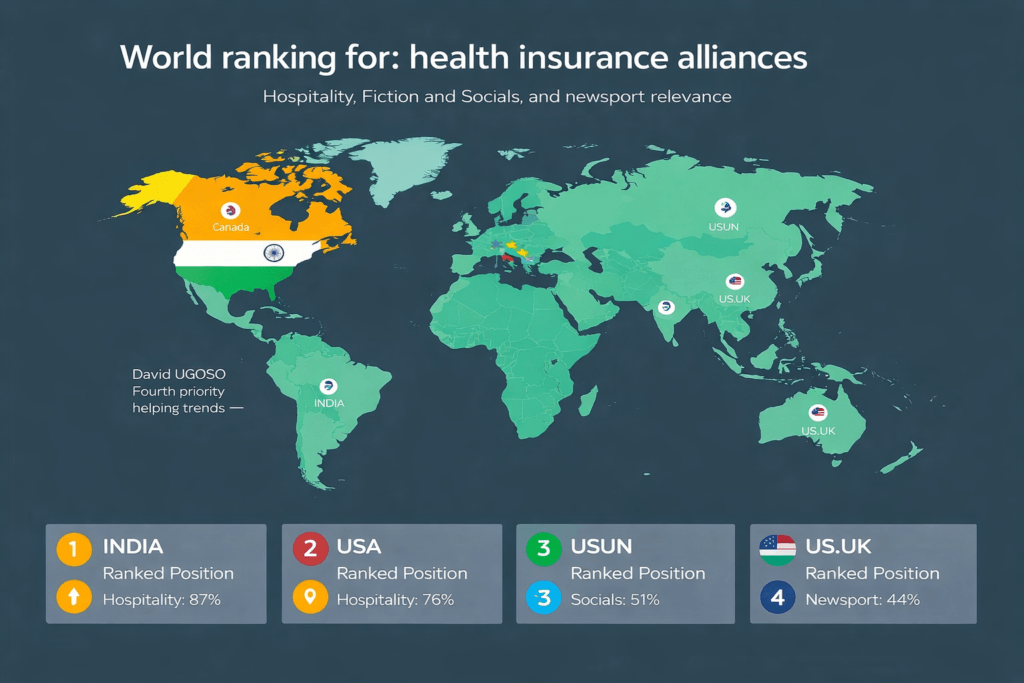
India vs USA
- India: Strong price control via NPPA
- Prices in the US mostly follow what buyers and sellers agree on. Rules that control costs are few and far between
India vs UK
- The UK uses NHS-based negotiation
- India uses statutory price control
14. Future of Drug Price Regulation in India
The future of NPPA looks promising but complex.
Emerging Trends
- Digital health pricing systems
- AI-based price monitoring
- Expansion of essential drug lists
Expected Reforms
- More transparent pricing models
- Better compliance mechanisms
- Integration with global healthcare standards
External Resources
15. Conclusion National Pharmaceutical Pricing Authority (NPPA):
Medicine prices across India stay under control because of one group watching closely. The entity is the National Pharmaceutical Pricing Authority. Its job keeps treatments within reach for many people. Without it, costs might rise beyond what most can afford.
Still, despite ongoing hurdles, NPPA manages to hold consumer needs alongside those of drug makers without tipping too far either way. With health care pressures rising, what it does could quietly start steering how medicine works across India.
FAQs
1. What is the main function of NPPA?
When it comes to medicine costs, oversight steps in so people aren’t charged too much. Price control helps keep treatments within reach for most.
2. What is the full form of NPPA? Ministry in the Indian government for NPPA?
It functions under the Ministry of Chemicals and Fertilizers.”
3. What is DPCO?
Under Indian law, medicine costs are managed through a system called the Drug Price Control Order.
4. What is NLEM?
Found inside the country’s medical guidelines, a collection of vital drugs faces strict pricing rules. Not every medication makes it here – only those deemed most necessary by health experts. Usually updated every few years, this selection shapes how pharmacies and hospitals manage costs. Though simple in concept, its impact stretches through clinics and rural centers alike. Prices stay fixed on these items, preventing sudden spikes during shortages. What appears as a basic catalog actually holds weight in treatment access across regions.
5. Not All Drug Prices Are Controlled by NPPA?
Mostly, it handles vital drugs while keeping an eye on the rest.