
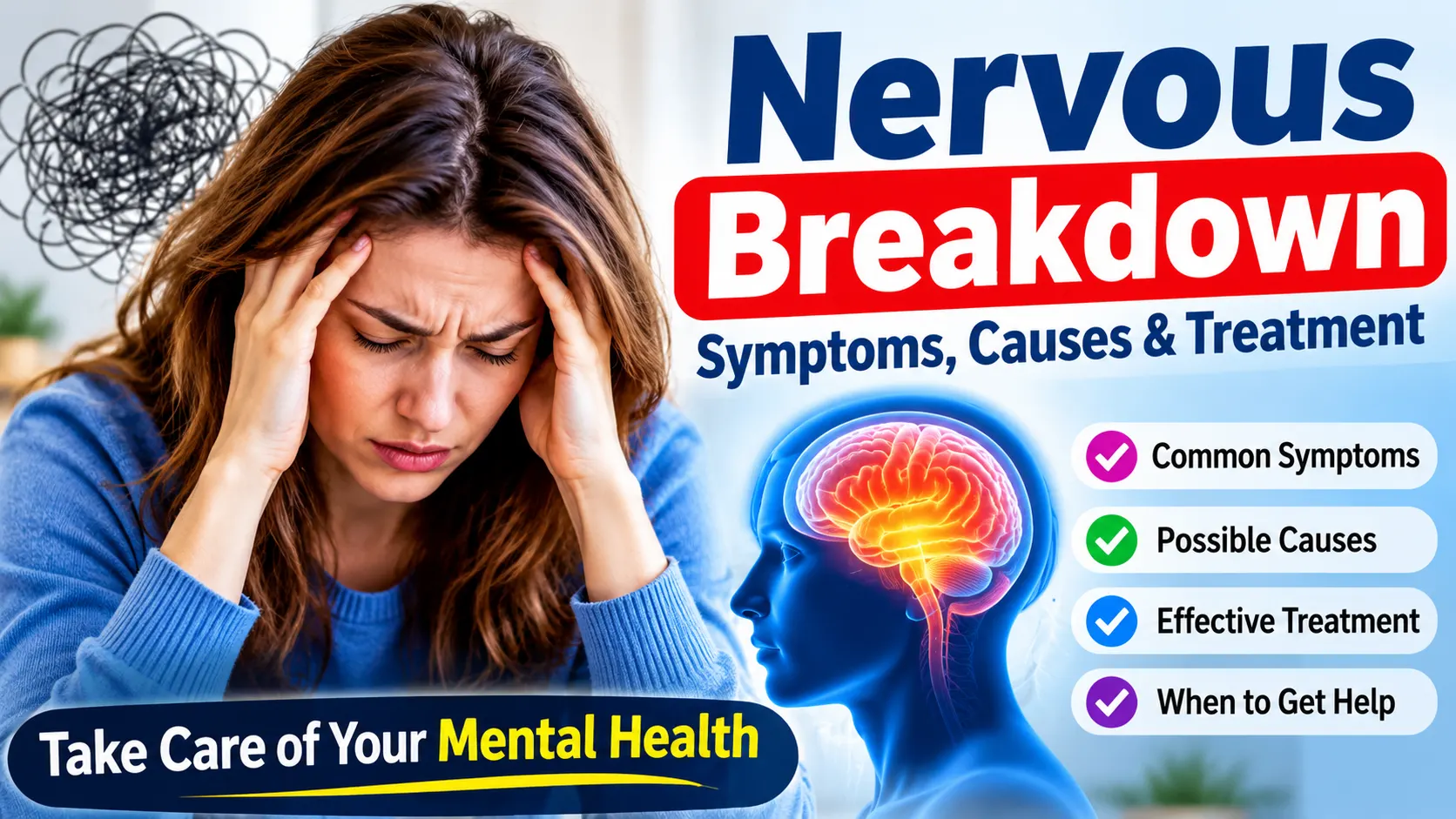
A “nervous breakdown” is a common phrase for overwhelming distress that makes it hard to manage everyday life, not a medical diagnosis. In a 2024 poll, 52% of surveyed employees said work had burned them out in the past year. When stress or anxiety makes ordinary tasks feel daunting, even getting through the workday can seem out of reach. The experience is real, and support is available. This guide explains what the term means and how you can seek care. Struggling to meet basic needs is a reason to seek help, not a personal failing.

Key Takeaways
- The term describes distress, not a formal diagnosis.
- If your day-to-day functioning changes, that could be a potential warning sign.
- Several life pressures may contribute to a crisis.
- A healthcare professional can assess your symptoms.
- Small steps and support can help you move forward.
What Nervous Breakdown Means Today
As professionals would say, this is often referred to in lay terms as a nervous breakdown. A crisis in mental health might be described as a period of overwhelming distress that may compromise one’s normal functioning and potentially require professional intervention. The phrase gives a name to a hard experience, but it does not identify one specific condition.
A nervous breakdown is not a medical term or a diagnosis. Mental breakdown is another informal phrase for a similar experience, not a separate diagnosis. A healthcare professional may consider depression, anxiety, or other mental health conditions when assessing what is affecting you.
A crisis can affect how you manage daily life, but the cause and needs differ from person to person. The term does not explain what is happening inside your mind or body. Treat the label as a signal to look at what has changed in your functioning, not as a diagnosis.
Signs That Stress Is Disrupting Daily Life
A clear warning sign is a change in your usual ability to handle ordinary responsibilities. Stress becomes a concern when it disrupts your daily functioning, not just when you feel upset. Signs of a nervous breakdown can affect emotions, focus, the body, and your routine.

Emotional and cognitive changes
Stress and anxiety symptoms can include sadness, hopelessness, guilt, low energy, restlessness, and irritability. Persistent worry or trouble concentrating can make choices and tasks feel harder. Signs vary by person, and a woman may experience the same broad patterns without a sex-specific checklist.
Intrusive thoughts can occur during distress, but one thought alone does not establish a diagnosis. Thoughts of self-harm need prompt support. “Nervous breakdown stages” are not an official clinical sequence; signs may build over time or become clear when daily functioning falters.
Physical and behavioral changes
Intense stress can alter appetite, sleep, battery, and focus. You may have trouble falling or staying asleep, sleep more than usual, feel dizzy, have clammy hands, or experience an upset stomach.
Changes in routine can make the impact easier to notice:
- Calling in sick for several days
- Avoiding social events
- Missing appointments
- Eating or sleeping poorly
- Neglecting personal hygiene
Pay attention to a pattern that disrupts your normal routine, rather than waiting for every symptom to appear.
Common Triggers of a Mental Health Crisis
A crisis can follow one major event or a buildup of pressures that leaves you with too little room to recover. Several stressors can combine, and no single trigger explains every mental health crisis. Major life changes or sudden tragedy can add strain, as can abuse, sleep loss, financial problems, and increased work stress.

Anxiety is a normal part of life, but an anxiety disorder involves worry or fear that persists, appears in many situations, and can worsen over time. An anxiety disorder may interfere with work, school, or relationships. Severe anxiety can lead to intense fear, avoiding social contact, or staying home.
Burnout is tied to work-related stress, while depression can affect parts of life beyond work. Depression or an anxiety disorder may contribute to distress, even when one clear event is hard to name. If symptoms persist, a healthcare professional can assess what may be going on.
A trigger can help explain distress, but it does not determine a diagnosis.
Workplace Burnout and Its Impact on Mental Health
In the January 2024 employee poll, 52% of respondents said work had burned them out in the past year. The poll covered 2,062 full-time U.S. employees at companies with at least 100 employees. Common signs of burnout include exhaustion, detachment or cynicism toward work, and reduced effectiveness.

Burnout among U.S. employees
The 2024 NAMI Workplace Mental Health Poll also found that 37% felt so overwhelmed it was hard to do their job. These results describe full-time employees at larger companies, not every worker in the country.
| Measure | Result | Population or condition |
|---|---|---|
| Job-related burnout | 52% | Past year |
| Overwhelmed doing the job | 37% | Hard to do the job |
| Work demands harming mental health | 36% | Employees surveyed |
| Mental health harming productivity | 33% | Employees surveyed |
| Mid-level versus entry-level burnout | 54% versus 40% | Employee level |
About 74% said discussing mental health at work was appropriate, while 58% felt comfortable sharing their own mental health. Employees ages 18-29, 30-49, and 50-64 considered quitting over work’s mental health impact at rates of 34%, 28%, and 21%. Mid-level employees reported more burnout than entry-level employees.
Burnout in health care and industry
Burnout rates describe workers reporting burnout symptoms; industry stress scores are a separate measure. In Welltory’s 2025 U.S. industry stress ranking, leisure and hospitality scored highest at 66. These are industry stress scores, not burnout rates or rankings of individual jobs.
| Industry | Score | Industry | Score |
|---|---|---|---|
| Leisure and hospitality | 66 | Professional and business services | 56 |
| Transportation and warehousing | 53 | Mining and logging | 50 |
| Private education and health services | 46 | Information | 43 |
| Construction | 43 | Retail trade | 42 |
| Utilities | 42 | — | — |
More than 45.2% of U.S. doctors experienced true burnout towards the end of 2023 and into the start of 2024, versus 62.8% in 2021. Female physicians had about 27% higher adjusted odds than male physicians. Emergency medicine and general internal medicine were among the specialties at higher risk.
After adjustment for age, gender, relationship status, and work hours, physicians were 82.3% more likely to report burnout than workers in other U.S. occupations. Veterans Health Administration worker rates rose from 30.4% in 2018 to 39.8% in 2022, then fell to 35.4% in 2023. Its primary care physicians had the highest service-area rates, ranging from 46.2% in 2018 to 57.6% in 2022. Workers who teleworked most of the time had lower burnout than those who did not.
The comparisons do not name one profession with the least burnout. Workload, staffing, and control can shape your experience within the same field. A score for an industry cannot tell you how one specific employer or job will affect you.
When a Professional Evaluation Is Needed
Seek a professional assessment when distress keeps you from meeting everyday needs or functioning as usual. There is no single “nervous breakdown test” that establishes a diagnosis. These symptoms and signs can be examined by a medical professional to identify what is bothering you.
Your provider may ask about symptoms, medical history, and medications. Physically, they can have a look and examine you for how you are and if you have to see a psychiatrist. This can help distinguish emotional distress from health conditions or medication effects.
In the United States, 988 offers free, confidential support around the clock for emotional distress or a suicidal crisis. You can reach the Lifeline in English or Spanish, and Deaf and hard-of-hearing people can access support. Choose an immediate option:
- Want immediate help if your emotional health is being affected or you’re having suicidal thoughts or ideation?
- Use the 988 Lifeline chat at 988lifeline.org.
- Call 911 for a life-threatening situation.
The 988 Lifeline is free, confidential, and available 24/7/365, including support for mental health and substance-use concerns. In case of a life-threatening situation, call 911.
Treatment Options for a Mental Health Crisis
Treatment is chosen around what is driving your symptoms and how they affect your ability to function. Care may include talk therapy, medication, lifestyle changes, or a mix of approaches. A healthcare professional can tailor treatment to the issue affecting your mental health.
Talk therapy and CBT
Talk therapy, also called psychotherapy, can help you identify stressors and build coping strategies. It gives you a place to discuss how distress affects your daily life and relationships.
Cognitive behavioral therapy, or CBT, focuses on noticing unhelpful thought patterns and practicing ways to respond. You can work on coping skills for challenging situations. The pace and focus depend on your needs and treatment goals.
Medication and clinical follow-up
A prescriber may consider medication for symptoms such as anxiety or depression. Medication is not one-size-fits-all, so never self-medicate. Your provider can discuss possible benefits and risks based on your health and symptoms.
Follow-up visits let a clinician check how care is working and adjust the plan when needed. Some people use talk therapy and medication together, while others use one approach or different supports. For more information, read our guide to psychiatric medications, their uses, benefits, and safety. Treatment may include talk therapy, medication, or lifestyle changes, based on the needs being addressed.
Do not start, stop, or change prescribed medication without discussing it with the prescriber.
Practical Steps to Lower Stress Today
Choose one manageable change for today rather than trying to overhaul every routine at once. Small steps can support your well-being, though they do not replace care when you need it.
- Reduce caffeine and alcohol.
- Aim for 7 hours of sleep.
- Exercise at a level that suits your health and abilities.
- Pace activities and take mini-breaks.
- Try a stress-reduction practice.
A general activity target is 30 minutes of exercise at least 5 days a week, adapted to your health and abilities. Recovery stories may offer connection, but cannot predict your timeline. Before quitting over burnout, weigh immediate safety, finances, leave or workload options, and professional guidance. If a small step does not make the situation manageable, ask a healthcare professional for individualized support.
Conclusion
When distress makes daily life hard to manage, you deserve support without waiting for things to get worse. “Nervous breakdown” is not a diagnosis, but the distress behind the phrase is real. You can begin by talking with a healthcare professional about what has changed and what help may fit.
You don’t have to perfectly articulate everything you want before seeking care. All you need is a clear first step to getting a conversation going and help you take the next steps. Make one concrete next move today: contact a healthcare professional, or call or text 988 in the United States if you need immediate emotional support.
FAQ
What are some common symptoms of stress and anxiety?
Common stress and anxiety symptoms include persistent worry, irritability, trouble concentrating, and changes in sleep or appetite. Physical signs can include dizziness, clammy hands, or an upset stomach. These signs can vary by person and may have more than one cause. A healthcare professional can help assess symptoms that last or interfere with daily life.
What is a nervous breakdown called today?
A mental health crisis is a common term for what people may call a nervous breakdown. Neither phrase is a formal diagnosis. The term describes intense distress that disrupts your usual ability to function, but it does not name one condition. A healthcare professional can assess what may be contributing, including anxiety or depression.
Can a mental breakdown cause intrusive thoughts?
Intrusive thoughts can occur during intense distress, but one thought does not establish a diagnosis. Thoughts may feel upsetting or unwanted, and their meaning depends on the person and situation. Thoughts of self-harm need prompt support. In the United States, if you need help for emotional distress or if you feel you’re at risk of harming yourself, you can call or text 988.
What are the common symptoms of burnout?
Common burnout signs include exhaustion, detachment or cynicism toward work, and reduced effectiveness. You may also find that work feels harder to manage than usual. These signs alone do not diagnose burnout, since other health conditions can affect energy and mood. A healthcare professional can assess persistent symptoms and help you consider next steps.
Am I depressed or burnt out?
Burnout is tied to work-related stress, while depression can affect parts of life beyond work. This difference can offer a clue, but it cannot determine what you are experiencing. Depression and burnout can also overlap. A healthcare professional can assess persistent symptoms, how they affect daily life, and whether other health conditions may play a part.
What jobs have the highest burnout rates?
Physicians report high burnout, and Veterans Health Administration data show high rates among some primary care physicians. Industry stress scores are not burnout rates, and they do not rank individual jobs. Workload, staffing, and control can differ among employers in one field. Compare those conditions rather than treating an industry score as a personal forecast.
Is it acceptable to leave a job due to being burnt out?
Quitting may be right for some people, but no single choice fits everyone. Consider your immediate safety, financial needs, and whether leave or workload changes are possible. Professional advice can help you assess how burnout affects your health and choices. If your work environment is an immediate threat, prioritize safety first.
What is the top 1 most stressful job?
The 2025 U.S. industry stress ranking gave leisure and hospitality the top score, 66. That score reflects the industry, not any specific job or worker. Work conditions can vary widely among employers and roles within hospitality. The score cannot tell you how stressful a particular workplace will feel or whether its staff is burned out.
1 thought on “Nervous Breakdown: Symptoms, Causes & Treatment”