
Introduction
It might sound bizarre, but there are now so many sugar molecules attached to proteins that they affect their shape a lot more than scientists originally anticipated. Not simply an interesting laboratory phenomenon, this process has a subtle impact on how bodies work, when diseases occur, and even how therapies are developed. Not every detail is clear, still, its impact stretches across cells, systems, and real-world medicine.
Most proteins require modifications before they function properly. After making them, cells tweak each one so it folds correctly, stays stable, moves where needed, and links to signals. Glycosylation stands out among these tweaks – sugar parts stick to proteins or fats there. These sugars are usually called glycans.
Out of nowhere, tiny sugar attachments reshape how cells behave. These changes ripple through immunity, altering how bodies react to threats. Instead of working alone, they team up with signals between cells, shifting conversations deep inside tissue. When viruses arrive, the sugars help decide who wins. Tumors grow differently because of them, nudging cancer down new paths. Drug makers must adjust, since medicines respond to these shifts. Even across generations, life tweaks its blueprint thanks to such modifications.
These days, studying sugar molecules in cells shows odd patterns in many illnesses. Because of this, doctors and scientists now pay closer attention to excessive sugar attachment. Biotech firms and medical teams watch it too. The more we learn, the clearer its role becomes. What seemed minor years ago matters a lot today. From hidden triggers to real-world impact, this deep look walks through what drives hyperglycosylation. Not just how it happens but where it shows up in biology matters too. Some changes tie directly to illness – others open doors for detection methods down the line. Behind each pattern lies a clue about function, sometimes pointing toward unexplored treatment paths worth watching.
What Is Hyperglycosylation?
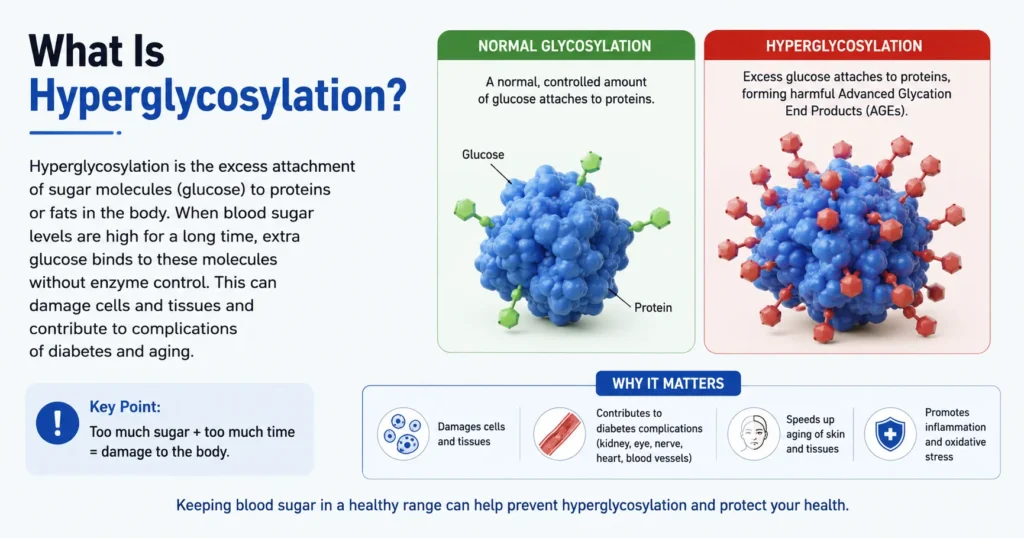
Too many sugars sticking to proteins or fats – that’s what happens when glycosylation goes beyond typical amounts found in cells. A shift away from balance, where chains of sugar build up more than usual on molecular surfaces.
The term combines:
- Hyper = excessive or increased
- Glyco = sugar-related
- Sylation = attachment process
When too many sugar chains get attached to a protein or fat inside cells, that’s what we call hyperglycosylation. A cell does this by accident sometimes, piling extra carbs where they normally wouldn’t go. Normally, just one or two link up – now there are several. It changes how the molecule behaves afterward, acting out of step. The process still follows cellular rules but stretches them further than typical.
Under normal circumstances, glycosylation helps proteins:
- Fold correctly
- Maintain structural stability
- Interact with other molecules
- Travel to appropriate cellular locations
- Avoid premature degradation
Still, too much glycosylation might shift how proteins work in big ways. Changes like these could help, make no difference, or cause harm – what matters is where they occur in living systems.
Understanding Hyperglycosylation
Start with glycosylation if you want to get what hyperglycosylation means.
After a protein is made, it can change through glycosylation. This process happens once the protein exists.
Carbohydrate pieces get linked to proteins or fats by enzymes while things are moving along. Some of these changes happen fast; others take time – each step shaped by tiny helpers in the cell. What sticks where depends on the protein’s path and the available parts nearby.
This change happens mostly within:
- Endoplasmic reticulum
- Golgi apparatus
Inside each cell, tiny parts team up like a mini factory crew – handling chemical tasks one step at a time.
More than fifty percent of human proteins likely experience a change through glycosylation, researchers say.
Failing to add sugar groups might leave most proteins unable to work properly.
Types of Glycosylation
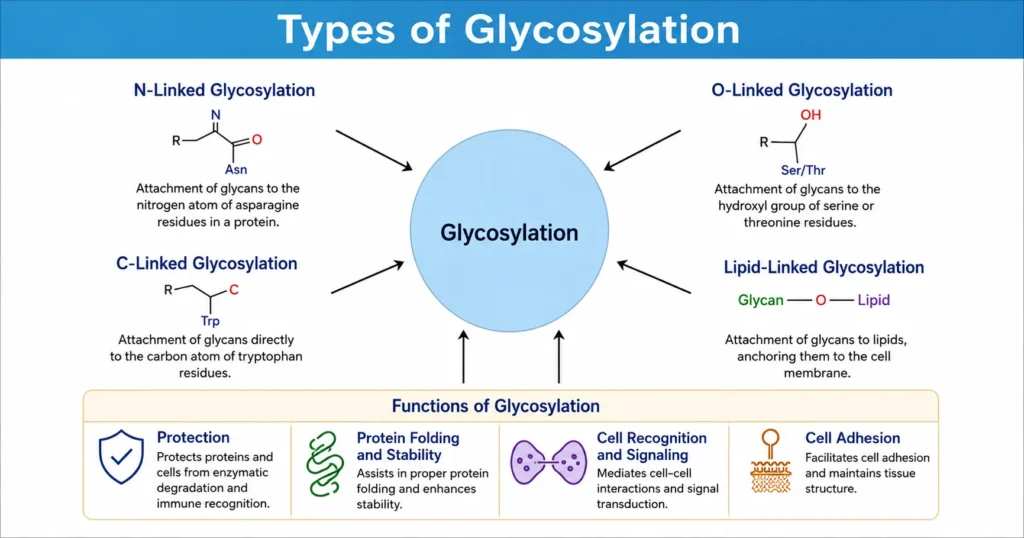
Not every sugar attachment works the same way.
N-Linked Glycosylation
Attached to asparagine’s nitrogen, glycans link through N-linked glycosylation. Starting mid-chain, a sugar group fastens via this modification type. Nitrogen sites on asparagine welcome these carbohydrate additions. This bonding happens when the assembly connects at specific points. Through biochemical pathways, the attachment forms naturally in proteins.
Characteristics include:
- Most common type
- Essential for protein folding
- Occurs in the endoplasmic reticulum
- Frequently involved in hyperglycosylation
O-linked Glycosylation in Proteins
Attached to serine or threonine, glycans form O-linked glycosylation at oxygen sites
Functions include:
- Cell signaling
- Mucus production
- Immune regulation
C-Linked Glycosylation
This less common form attaches carbohydrates through carbon atoms.
Researchers continue investigating its biological importance.
Glypiation
Pinned at the surface, some proteins stick using GPI handles. Anchored lightly, these molecules float on the outer layer through a lipid tag made of sugar and phosphate pieces linked together. These anchors contribute to cellular communication and signaling.
What triggers hyperglycosylation?
Hyperglycosylation can be induced by different biological signals.
Genetic Factors
The enzymes of glycosylation can be affected as well by genetic mutations.
Mutated enzymes are:
- Glycosyltransferases
- Glycosidases
- Glycan-processing proteins
Mutations can increase glycan attachment rates.
Cancer-Related Alterations
Glycosylation is frequently aberrant in tumor cells.
Cancer cells frequently:
- Increase glycan production
- Express altered glycosylation enzymes
- Alter cell-surface proteins
These alterations allow tumors to escape from immune surveillance.”
Viral Manipulation
Viruses commonly hijack the host glycosylation process.
For example:
- • HIV
- • SARS-CoV-2
- • Influenza viruses
- • Ebola virus
Such pathogens hide behind glycan shields against immune defences.
Chronic inflammation
Persistent inflammatory diseases are likely to affect the cell glycosylation profile.
Examples include:
- Autoimmune disorders
- Chronic infections
- Metabolic diseases
Aging
Age-related changes in glycosylation patterns have been observed by scientists. Some proteins are more glycosylated with the age of the organism.
Biological Importance of Hyperglycosylation
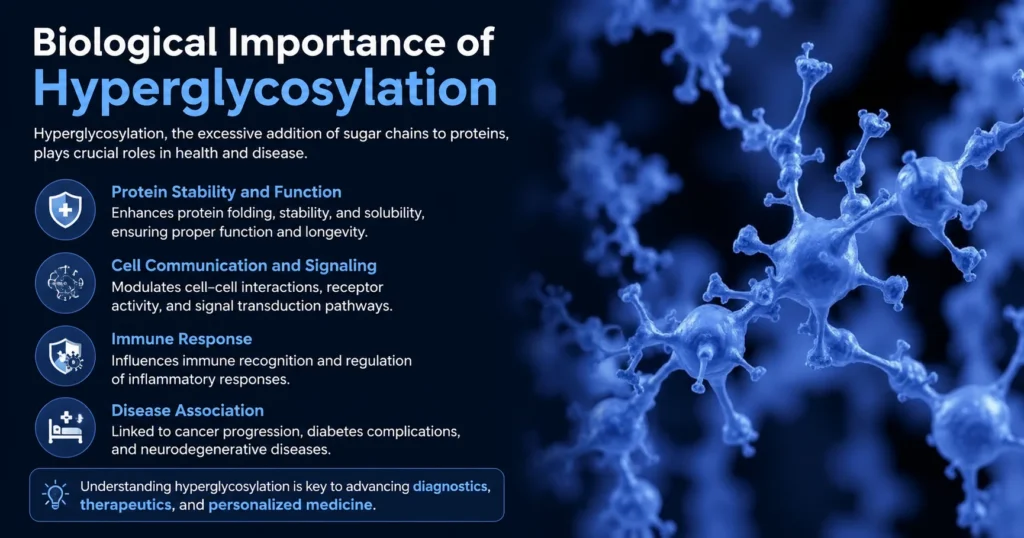
Hyperglycosylation is not necessarily bad.
In all these cases, it has a functional role in normal biology.
Improved Protein Stability
Additional glycans may protect proteins from degradation.
Advantages include:
- A longer life span.
- Improved stability
- Increased resistance to enzymes
Improved Solubility
Sugar molecules attract water.
This property helps proteins remain soluble in biological fluids.
Regulation of Cellular Communication
Cells constantly exchange information.
Hyperglycosylated proteins may influence:
- Receptor activation
- Signal transduction
- Cell recognition
- Tissue development
Shielding From Environmental Stressors
Certain organisms elevate glycosylation as a response to environmental challenges, such as the following
Examples are:
- Temperature changes
- Oxidative stress
- Infection
Molecular Causes of Excess Sugar Attachment
Working together, enzymes drive the process through tight timing.
Protein Production Begins
Proteins come together inside ribosomes, guided by coded messages from genes.
Initial Glycan Attached
Specialized enzymes transfer glycans onto newly synthesized proteins.
Glycan Processing Step Three
Some enzymes change how glycans are shaped. Others adjust their form after initial assembly.
Too Many Changes
When control systems break down or shift, hyperglycosylation can happen. A single protein ends up packed with extra sugar chains. It holds onto more glycans than scientists first thought it would.
Hyperglycosylation Affects Immune Function

Most of how your body fights sickness depends on sugar tags attached to proteins.
Many immune proteins contain glycans.
Examples include:
- Antibodies
- Cytokines
- Receptors
- Cell-surface markers
Hyperglycosylation can influence immune responses in several ways.
Immune Suppression
Some heavily sugar-coated proteins dial down immune responses.
Something inside stops the body from attacking itself.
Still, some growths can hijack that very mechanism.
Immune Evasion
Too many sugar chains might cover up cells so that immunity cannot see them.
What happens here matters a lot when viruses take hold.
Antibody Function
Changes in antibody glycosylation affect:
- Inflammation
- Pathogen recognition
- Therapeutic effectiveness
Hyperglycosylation in Viral Infections
Perhaps the most well-explored facet of hyperglycosylation relates to viral pathogens.
Viruses rely on host cells for their replication.
Numerous viral proteins are heavily glycosylated in the course of infection.
HIV and Hyperglycosylation
HIV provides one of the best examples.
The HIV envelope protein contains extensive glycan coverage.
This glycan shield:
- Conceals viral proteins
- Reduces antibody recognition
- Increases viral survival
Some scientists keep working on vaccines able to get past the sugary barrier.
- SARS-CoV-2
The glycosylated spike proteins of SARS-CoV-2.
Researchers have discovered several glycan sites that affect:
- Infectivity
- Immune recognition
- Vaccine design
Influenza
The glycosylation pattern of the influenza virus is changing regularly in order to evade immune responses. These changes contribute to seasonal viral evolution.
External Resources
- National Human Genome Research Institute:
- National Institutes of Health:
- National Center for Biotechnology Information:
- World Health Organization:
Hyperglycosylation in Cancer Biology
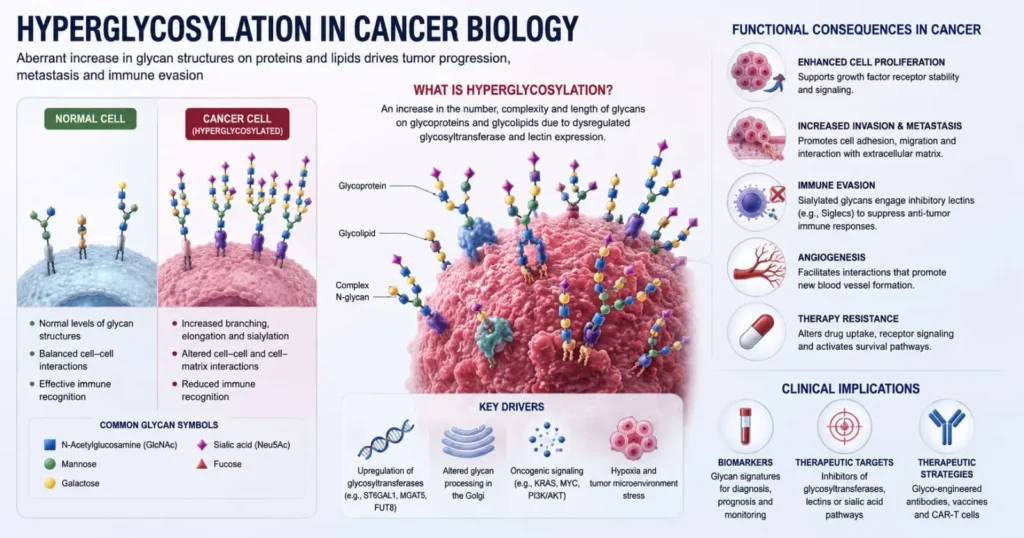
Most cancers show odd sugar chains on cell surfaces. That is why scientists spend so much time studying excessive glycosylation. Nearly every tumor examined carries these flawed patterns. This detail stands out across countless lab results. Attention grows not from theory but repeated observation. What shows up again and again drives a deeper look.
Out of nowhere, tumor cells start acting unlike normal ones. Their surface changes stand out – proteins and fats get altered distinctly.
Cancer-associated hyperglycosylation influences:
- Tumor growth
- Cellular migration
- Tissue invasion
- Metastasis
- Immune escape
- Drug resistance
Why Cancer Cells Have More Sugar Coatings
Out of chaos, mutations pile up inside tumor cells. Their inner chemistry shifts – fueling odd growth patterns. While DNA twists into new shapes, energy pathways rewire themselves differently. These alterations happen one after another without pause.
Enzymes tied to glycosylation sometimes shift when these adjustments occur.
Examples include:
- Increased glycosyltransferase activity
- Altered glycosidase expression
- Enhanced sugar metabolism
- Changes in Golgi apparatus function
So tumors often carry extra sugar chains on their proteins.
Hyperglycosylation and Tumor Growth
Many growth receptors located on cancer cells become hyperglycosylated.
Examples include:
- EGFR receptor
- HER2 receptors
- Integrins
- Receptors for growth factors
The stability of receptors and the efficiency of signaling can also be enhanced by additional glycans.
This promotes:
- Faster cell division
- Enhanced survival
- Increased tumor progression
Hyperglycosylation and Metastasis
Metastasis is still the main cause of cancer mortality globally.
Hyperglycosylation promotes metastasis through the facilitation of cancer cells:
- Detach from primary tumors
- Enter the blood vessels
- Survive circulation
- Colonize distant organs
Certain glycan structures act like molecular adhesives.
These formations enhance the capacity of cancer cells to interact with the walls of blood vessels and the surrounding tissues.
Hyperglycosylation and Immune Evasion
The immune system is always watching and can detect those tissues when they go awry.
However, cancer cells can also employ hyperglycosylation to escape immune surveillance.
Underlying mechanisms may be:
- Masking tumor antigens
- Suppressing immune cell activation
- Activating inhibitory receptors
- Creating immunosuppressive microenvironments
This allows tumors to grow undetected.
Cancer Types Frequently Associated With Hyperglycosylation
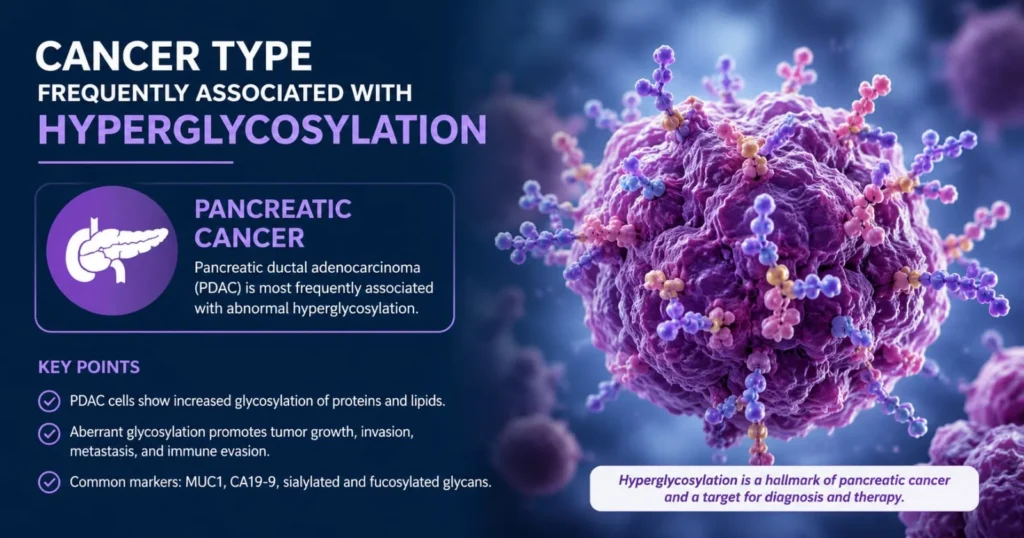
Researchers have identified abnormal glycosylation patterns in:
- Breast cancer
- Lung cancer
- Colorectal cancer
- Pancreatic cancer
- Prostate cancer
- Ovarian cancer
- Liver cancer
- Leukemia
The exact glycan profiles differ between types of cancer . As a result, researchers are investigating glycan biomarkers for diagnosis and therapy surveillance.
Hyperglycosylation and Autoimmune Disease Links
Molecules need to fit just right for immunity to work well. Off-kilter sugar tags mess up how immune responses are controlled. Oddly shaped glycans appear in those with autoimmune diseases.
Rheumatoid Arthritis
Observed in those with rheumatoid arthritis – changes in the sugar-coating of antibodies. Those shifts might shape how the immune response behaves
- Inflammation
- Joint damage
- Disease severity
Looking into sugar tags on proteins might show how fast a sickness spreads, while also pointing toward better care paths. Some researchers think these tiny chemical changes could reveal what happens next in patients, yet they still need to check if it really works. Watching these modifications may shift how doctors plan therapy, though results are not certain yet. Clues hidden in cell coatings possibly guide future decisions, even when answers remain unclear.
Systemic Lupus Erythematosus
Lupus suddenly: Antibodies and immune proteins of people with lupus tend to have weird sugar structures attached to them. “And so as a result, you can get problems in the way the body handles inflammation.” Sometimes the changes result in the immune response going awry. Not far beneath the surface, such glitches might fuel ongoing tissue damage. In turn, that could explain why symptoms keep coming back
- Autoantibody production
- Tissue damage
- Chronic inflammation
These shifts in glycosylation could reveal clues about how diseases work, along with possible points for treatment.
Multiple Sclerosis
Something odd happens with sugar tags on proteins when nerves get inflamed in multiple sclerosis. Because of this shift, immune cells might move differently through the body. When those sugary attachments go off track, it could help explain why symptoms worsen over time. Scientists are watching how these modifications unfold, hoping clues will lead somewhere useful later. What sticks to molecules may matter more than once thought.
Congenital Disorders of Glycosylation
Some conditions tied to excessive glycosylation show up early in life. Not everyone waits until grown-up years.
From time to time, a person enters life with gene differences messing up sugar tagging in cells.
Grouped under one name, these illnesses go by Congenital Disorders of Glycosylation, or CDGs.
What Are CDGs?
CDGs are rare inherited metabolic disorders affecting glycan synthesis or processing.
More than 180 forms have been identified.
Signs and symptoms can vary, but may include:
- Developmental delays
- Neurological abnormalities
- Growth problems
- Liver dysfunction
- Immune abnormalities
How Hyperglycosylation Contributes
Some CDGs involve excessive glycosylation of specific proteins.
Others involve incomplete glycosylation.
Both situations can disrupt normal biological function.
Diagnosis of CDGs
Healthcare providers may use:
- Genetic testing
- Mass spectrometry
- Protein analysis
- Glycan profiling
Early diagnosis improves treatment planning and patient management.
Hyperglycosylation in Disease Infection
Pathogens have developed advanced strategies to hijack glycosylation pathways. Viral Glycan Shields
Many viruses cover their surface proteins with glycans.
This thing hides you, sort of how a mask might. It doesn’t attack or warn – just slips into view unnoticed.
Viruses using glycan shields include:
- HIV
- Coronavirus strains
- Influenza viruses
- Ebola virus
Bacterial Interactions
Some bacteria subvert host glycosylation machinery.
Examples include:
- Helicobacter pylori
- Neisseria species
- Campylobacter species
These interactions influence:
- Colonization
- Immune evasion
- Disease severity
Parasites and Hyperglycosylation
Parasites are typically coated with heavily glycosylated proteins.
These molecules assist them:
- Avoid immune detection
- Adapt to host environments
- Establish long-term infections
Hyperglycosylation Affects Protein Treatments
These days, more treatments come from living cells instead of chemicals. A growing number of therapies are made using biological methods.
Examples are:
- Monoclonal antibodies
- Hormones
- Enzyme therapies
- Recombinant proteins
How sugars attach can change how well these items work. What they do depends heavily on those molecular decorations.
Glycosylation Matters in Biopharmaceuticals
Proper glycosylation influences:
- Drug stability
- Drug activity
- Half-life
- Immune compatibility
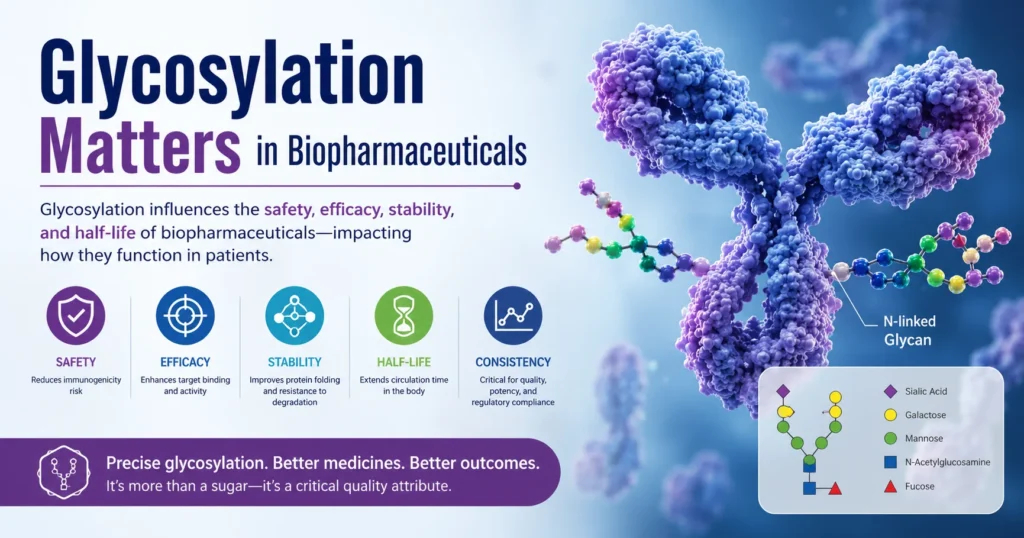
Now here’s a twist – too much sugar attachment might boost treatment effects – or just get in the way. At times, it is beneficial, and at other times it is detrimental to an evolving situation.
Production Challenges
Glycosylation gets watched closely by biotech firms when they make products.
Variables include:
- Cell type
- Growth conditions
- Nutrient availability
- Culture environment
A shift out of nowhere could alter how sugars attach to proteins. Tiny tweaks sometimes reshape the whole pattern. One little adjustment might change everything down the line.
Regulatory Considerations
Besides safety checks, regulators demand a full review of sugar attachments on biologics before approval.
Producers need to show their products stay the same over time while keeping people safe.
Hyperglycosylation Affects Monoclonal Antibody Function
These lab-made proteins are now spreading fast through medical treatments. One moment they’re experimental, then suddenly common in clinics everywhere.
They treat:
- Cancer
- Autoimmune diseases
- Infectious diseases
- Inflammatory disorders
- Why Glycosylation Matters
Antibody glycans affect:
- Target recognition
- Immune activation
- Time of circulation
- Therapeutic effectiveness
Researchers are enhancing efficacy on purpose by modifying the way sugars bind to proteins.
Glycoengineering
Glycoengineering is the modification of glycan structures to tailor drugs.
POSSIBLE ADVANTAGES ARE:
- Enhanced immune responses
- Improved targeting
- Reduced side effects
- Durable treatments
Several next-generation biologic drugs include glycoengineering technology.
Hyperglycosylation Affects Vaccine Design
Because of work on sugar attachments, vaccines improved significantly.
When scientists grasp how viral sugar coatings work, improved vaccine designs become possible.
Vaccine Design Challenges
Hyperglycosylated viral proteins often hide critical immune targets.
Antibodies can reach some weak spots – scientists need to find them first. Where these openings stay exposed matters just as much.
HIV Vaccine Research
Still today, few proteins match the dense sugar coating found on HIV’s outer layer.
Scientists are developing strategies to:
- Penetrate glycan shields
- Stimulate broadly neutralizing antibodies
- Enhance vaccine efficacy
- Studies of the COVID-19 Vaccine
On the details of spike protein sugar tags, scientists went into great depth in developing vaccines. Though complex, these tiny modifications shaped how each shot was built behind the scenes.
Understanding grew because of these studies
- Viral entry
- Immune recognition
- Antibody responses
Laboratory Techniques for Studying Excessive Sugar Attachment
Out of curiosity, researchers use advanced tools when studying sugar attachments on proteins.
Mass Spectrometry
Mass spectrometry still stands among the most powerful tools.
It helps identify:
- Glycan structures
- Glycosylation sites
- Molecular composition
High-Performance Liquid Chromatography
Through HPLC, glycans get separated so they can be studied closely.
This method appears often in medical science, also showing up across biotech labs worldwide.
Glycan Microarrays
Studying how sugars bind to molecules? That’s where microarrays come in. These tiny tools spot connections most methods miss. Proteins meeting carbohydrates – this tech captures it all on a chip. Watching these links form gives clues about cell behavior. Scientists rely on the patterns that show up here.
Applications include:
- Drug discovery
- Vaccine development
- Diagnostic testing
- Lectin-Based Analysis
Lectins are sugar-binding proteins. Lectins are employed by scientists to identify alterations in glycosylation that occur in cells and tissues.
Hyperglycosylation as a Diagnostic Biomarker
One of the most promising areas of research involves diagnostic applications.
Abnormal glycosylation patterns often appear before obvious symptoms develop.
Consequently, glycan biomarkers may support:
- Early diagnosis
- Disease monitoring
- Prognostic assessment
- Treatment selection
Cancer Biomarkers
Alterations of glycosylation patterns are associated with several cancer markers.
Examples are:
- CA125
- PSA variants
- CEA glycoforms
Researchers keep uncovering new kinds of sugar-related markers. These help spot infections in the body
Changes in glycosylation may reveal:
- Viral infections
- Disease severity
- Immune responses
This area remains highly active in biomedical research.
Hyperglycosylation Meets Precision Medicine
Each person might get a different treatment plan under precision medicine.
One day, checking sugar attachments on proteins could help tailor medical care to individuals.
Potential applications include:
- Individual risk assessment
- Customized therapies
- Drug selection
- Treatment monitoring
Researchers believe glycomics may eventually join genomics and proteomics as a routine clinical tool.
Hyperglycosylation Research Used in Practical Ways
Even if hyperglycosylation sounds niche, it shapes more than just lab work. Where medicine meets technology today, clues from sugar molecule patterns often play a quiet role.
Biotechnology Industry
When biotech firms study sugars on proteins, it is often because medicines need exact sugar patterns to work right. Their efforts focus on how these molecular coatings affect treatment behavior inside the body.
Applications include:
- Monoclonal antibodies
- Recombinant hormones
- Enzyme replacement therapies
- Gene therapy products
- Cell-based therapies
Because of how sugars attach, medicines can work better. Sometimes they last longer in the body, too. Fewer side effects might show up when adjusted right.
Pharmaceutical Development
Drug developers increasingly analyze glycosylation profiles during every stage of product development.
This process helps ensure:
- Product consistency
- Regulatory compliance
- Improved efficacy
- Reduced adverse effects
- Clinical Diagnostics
One day, lab work might check sugar molecule shapes along with the usual blood numbers. Not just now – later – but it could happen as normal practice. These shifts often sneak into medicine slowly. Watching how proteins get decorated matters more than we thought. Changes like this tend to arrive quietly, without announcement. Testing may include such details simply because they fit.
Potential uses include:
- Early cancer screening
- Autoimmune disease monitoring
- Infection detection
- Aging assessment
- Cardiovascular risk prediction
Hyperglycosylation and Systems Biology are now in session
Cultivation of multiple cell types from various organisms can be achieved in vitro, leading to modern biology’s growing appreciation that no biological process ever works in isolation.
Hyperglycosylation interacts with:
- Genetics
- Proteomics
- Metabolomics
- Immunology
- Cell signaling networks
Out here, seeing how pieces link up shapes what systems biology stands on.
Integration With Genomics
Inside cells, genes hold instructions for building tools that attach sugar molecules during a process called glycosylation.
So it happens that differences in genes shape how glycans are built.
Looking at genes alongside sugar molecules gives scientists clearer insight into how illnesses develop. Sometimes one reveals what the other hides, layer by layer.
Integration With Proteomics
Most often, proteins are where sugars attach during glycosylation.
Missing sugar tags on proteins might leave their story half-told. What looks like a full understanding could actually miss key details. Without spotting these attachments, behavior in cells may seem confusing. Hidden modifications often explain how molecules really work. Seeing only the protein backbone risks overlooking crucial roles.
Integration With Metabolomics
From tiny parts inside cells, energy flows to shape sugar chains. These pieces come together when life’s engine runs deep within. Molecules shift, transform, and feed the patterns that form complex structures. Power moves through pathways, guiding each step without pause.
Out of nowhere, sugar attachments on proteins shift when metabolism acts up.
Seeing how things link gives scientists clues about fresh treatment paths.
Hyperglycosylation Myths Explained
Not everything people say about glycosylation and its excessive form holds up. Some ideas float around – many miss the mark.
Hyperglycosylation Not Always Harmful
Reality: Depending on the situation inside the body, adding extra sugar groups might help, do nothing, or cause problems. For certain life forms, adding sugar groups happens on purpose to stay safe.
Myth Two: Glycosylation Is Not Glycation
Reality: One does not blend into the other. Each moves on its own track. Enzymes guide how sugars attach to proteins. That change happens step by step inside cells.
Out of nowhere, sugar molecules stick to proteins without help from enzymes. That quiet buildup? It quietly ties into both getting older and living with diabetes.
Myth That Only Scientists Should Know About Glycosylation
Reality: From diabetes to cancer, changes in sugar attachments on proteins play a role. These modifications influence how diseases develop. They influence the way drugs operate within us. Vaccines depend on them to initiate immune responses properly. Diagnostic tools detect these patterns to identify illness early. Healthcare routines depend heavily on understanding such biological markers.
Hyperglycosylation Not Just in Disease
Reality: Some normal body functions actually boost sugar tagging on molecules when conditions call for it.
The Economic Effects of Studying Sugar Molecules
Fueled by fresh discoveries, demand for tools that study sugar molecules grows worldwide. Though once overlooked, these biological building blocks now draw steady attention across labs far and wide.
Several factors drive growth:
- Rising demand for biologic drugs
- Precision medicine initiatives
- Increased cancer research
- Advanced diagnostic development
- Artificial intelligence integration
Down the road, money will likely flow into tools that study sugar attachments on proteins. Big funding shifts could reshape how labs tackle these biological details in the years ahead.
Significance of hyperglycosylation for education
- Medicine
- Biology
- Biotechnology
- Pharmacy
- Biomedical engineering
- Public health
will increasingly encounter glycosylation-related concepts.
Understanding hyperglycosylation provides valuable insight into:
- Molecular biology
- Disease mechanisms
Drug development: Students considering a career in:
- Personalized healthcare
With the continued growth of scientific information, glycobiology will likely be a fundamental part of biomedical education in the future.
Future Technologies That May Depend on Hyperglycosylation
Researchers envision numerous innovations based on glycosylation science.
Smart Glycan-Based Drugs
Therapies in the future may be able to modulate their activity in real time according to the glycosylation profile of a patient.
Personalized Vaccines
Vaccines may eventually be customized according to individual immune-system glycosylation patterns.
Artificial Organs
Engineered tissues and artificial organs will probably need to be glycosylated with a high degree of precision to be fully functional.
Nanomedicine
Nanoparticles designed for drug delivery may incorporate glycan structures to improve targeting and effectiveness.
Predictive Diagnostics
Advanced glycan analysis could help identify diseases years before symptoms appear.
Internal link:
External References
For readers seeking authoritative information, consult the following resources:
- National Institutes of Health (NIH)
- National Center for Biotechnology Information (NCBI)
- National Human Genome Research Institute
- World Health Organization (WHO)
- Centers for Disease Control and Prevention (CDC)
- U.S. Food and Drug Administration (FDA)
- European Medicines Agency (EMA)
- Nature Reviews Molecular Cell Biology
- ScienceDirect
- PubMed
Conclusion
Out here, adding too many sugars to proteins or fats might sound basic – but the ripple effects? They’re huge. This twist in cell behavior is quietly reshaping how we see disease, even if few notice its name. Start at one small glitch, finish somewhere vast: that’s where this field lives.
From shaky beginnings, science now shows sugar-heavy proteins shape how bodies handle sickness. Immune reactions shift when these molecules pile up. Cancer finds ways to grow stronger because of them. Viruses latch on more easily in their presence. Getting older is closely tied to their buildup. Brain conditions often come with changes linked to this process. Hearts face added strain when levels climb. Medicines sometimes work differently once they enter this sugary environment.
Most times, when things work right, extra sugar tags on proteins help them last longer, let cells chat better, and adjust when surroundings get tough. Trouble kicks in once those sugar patterns go wrong, letting sickness dodge immunity while feeding tumors, keeping swelling alive, and shutting down therapies.
Out of nowhere, tools from AI meet deep dives into sugar molecules, shifting what we know about life’s tiny building blocks. Because of this, identifying diseases is given a new perspective – unique every time, never identical. Labs now build treatments using patterns once invisible, guided by data that adapts overnight. Vaccines take shape through clues hidden in chains of sugars, revealed only recently. Biology itself starts making sense in ways it did not before, piece by odd piece.
Later on, as tools for analysis grow sharper and cheaper, checking sugar patterns might just slide into regular medical checkups. With these advances, spotting diseases sooner could happen – treatments shaped around individuals might improve, and results for patients are likely to shift upward. One step at a time, science moves closer to unlocking what hyperglycosylation can truly do. With each study, new paths emerge – paths that touch drugs, living systems, and well-being across continents.
FAQ’s
1. What is hyperglycosylation?
Too many sugars stuck onto proteins or fats – that’s what happens when hyperglycosylation kicks in. A process goes too far, piling on more chains than usual. Cells do this naturally, yet sometimes they add layers without stopping. The result? Molecules are weighed down by extra carbohydrates. Not always harmful, but it changes how things work inside. When regulation slips, structures get cluttered with sugar branches. This shift alters their shape, possibly their job. Life runs on balance – tilt it, and ripple effects follow.
2. Does extra sugar on proteins always cause problems?
True. Sometimes it helps, sometimes it does nothing – other times it causes issues, all based on where it happens and what protein is involved.
3. Which diseases involve hyperglycosylation?
Out of nowhere, too much sugar attachment shows up in cancer cases. Viruses?
They leave behind this mark as well. Autoimmune problems often come hand in hand with it. Inflammation-related conditions carry the same signal. Even some inherited disorders reveal this pattern without warning.
4. Why do viruses use hyperglycosylation?
Hidden behind sugar coats, viruses dodge immunity while boosting survival odds. Swept under a sugary cloak, they slip past defenses more easily. Wrapped in glycans, these tiny invaders avoid detection just long enough. Their sweet armor helps them last longer in hostile terrain. Cloaked in sugars, evasion becomes second nature. Surviving feels easier when hidden beneath sticky layers. Glycans act like invisibility hats during life-threatening chases.
5. What if treatments focused on stopping too much sugar attachment in cells?
True. Scientists now work on treatments aimed at faulty sugar-related processes tied to cancer, viruses, and problems in the body’s defense system.
6. How do glycosylation and hyperglycosylation differ?
In the sugar world of cells, sugars are generally joined to proteins or lipids. That sticking happens too much in hyperglycosylation. This overdone process goes past what usually occurs naturally.
7. Why are glycans important?
Proteins get a hand from glycans when folding into shape. These sugar chains also make the stability stick around for longer. Cell chatter improves through their presence. Immune activity gets a nudge whenever they join in.
8. Could too much sugar on proteins be part of growing older?
As years pass, sugar attachments on proteins shift their shape. These shifts might track how fast bodies grow older instead of just counting birthdays.
9. Can doctors test for abnormal glycosylation?
Yes. There are specific techniques that laboratories employ to examine sugar attachments on proteins, which assist both research and clinical testing.
10. What diseases are most strongly associated with hyperglycosylation?
Some cancers are linked closely to viral infections. Yet inflammatory issues often tie into faulty immune responses, too. Autoimmune problems sometimes appear alongside rare inherited glitches in sugar tagging. When cells mess up glycosylation, trouble can start before birth. Viruses may spark long-term damage that looks like a genetic disease.
11. What role does hyperglycosylation play in HIV?
Hidden by sugar molecules, HIV escapes notice from the body’s defenses. This cloak boosts its chances of surviving longer inside a host.
12. Therapy aimed at hyperglycosylation – does it work? Maybe.
Out of labs come fresh attempts to fix faulty sugar-tagging in cells. Ways now unfold, aiming straight at broken chains that attach sugars wrongly. New pathways are revealed, changing the way we correct lysosomal mislabels. Fixes pop up, targeting glitches where molecules get tagged with sugars in error.
13. What is glycoengineering?
Changing sugar parts helps make medicine work better. Some treatments get stronger when their molecular coatings are adjusted. Tweaking these outer layers can boost how well a drug performs. Fixes to sugary chains often lead to more effective results in healing. Adjusted sugars on proteins sometimes increase stability and function.
14. Why is glycobiology important?
From sugars, clues emerge about cell chat, sickness, and wellness. What happens in the body ties back to tiny, sweet structures guiding immune responses. These bits shape how living units interact, sending signals through microscopic landscapes. Molecules built on glucose frameworks influence whether systems thrive or struggle. Life processes turn on such small details hidden in plain sight.
15. Will glycosylation testing become routine?
One day, checks for sugar tags on proteins might just be part of regular medical care. Some scientists say this kind of test could fit right into tailored treatments down the line. Not everyone agrees yet, but signs point toward wider use ahead. Labs are already spotting patterns that link to specific diseases. Over time, these profiles might help doctors choose better therapies. Though still new, the approach is gaining ground slowly.
16. Can artificial intelligence improve glycosylation research?
True, machines sort tricky sugar patterns fast. This speeds up finding new medicines while spotting health clues more easily. One step leads to another when computers handle the details.
17. Does every type of cancer link to strange sugar patterns on cells?
Some cancers show changes in sugar attachments on cells, yet how they change depends on the cancer type.
18. What are glycoproteins?
Tack on a carbohydrate chain to a protein, and you’ve got yourself a glycoprotein.
19. Does sugar attachment affect how the immune system works?
Fine – glycosylation matters a lot for how well certain immune proteins work. It shapes both their function and control.
20. What is glycomics?
Most living things carry complex sugars on cell surfaces. These sugar structures do different jobs inside organisms. Scientists map them broadly through a field called glycomics.
21. What happens to medicine antibodies when they get too many sugar parts stuck on them?
Changes in antibodies might affect how well they last in the body, stay active over time, and also how strong their response is. While structure shifts occur, function may shift too – timing matters just as much as strength does.
22. What future breakthroughs may emerge from glycosylation research?
One shift might come through tailored vaccines, while another path explores treatments built on glycans. A different route opens with therapies that help tissues renew themselves, whereas tools to forecast health issues earlier also take shape. Each step moves in its own direction, yet all point toward new ways of responding before disease takes hold.
23. Does hyperglycosylation belong to recent scientific findings?
Not really. Research on glycosylation has gone on for years, yet new tools have now deepened insights into excessive glycosylation in ways earlier methods could not reach.
24. Why should the general public care about hyperglycosylation?
Health shifts in ways few expect when this factor steps into view. Disease keeps changing its path because of how things unfold behind the scenes. Diagnosis gains sharper edges, clearer signals appear where confusion once lived. Vaccines grow through quiet progress instead of sudden leaps. Medicine tomorrow carries traces of what’s happening now. Prevention learns new patterns without announcing them.
1 thought on “Hyperglycosylation: A Complete Guide to Excessive Protein Glycosylation, Its Biological Functions, Disease Associations, and Therapeutic Applications”