Introduction: How Long Do Migraines Last
A migraine is not just a headache – it can distort your vision, impair your ability to focus, sap your energy, darken your mood, and make you feel horrible for hours or even days. Among the most common questions that migraine patients ask their doctors is: How long does a migraine last? Duration: An attack of migraine can actually last from 4 up to 72 hours, and the length of the attacks is different for different patients.
In addition, a migraine is a syndrome that consists of several stages, which means that it can last for a few days on average, but sometimes it can be shorter or longer. In this article, we will discuss the duration of a migraine in detail, as well as go over the treatment and prevention options and warning signs that require emergency care.
Migraine Definition
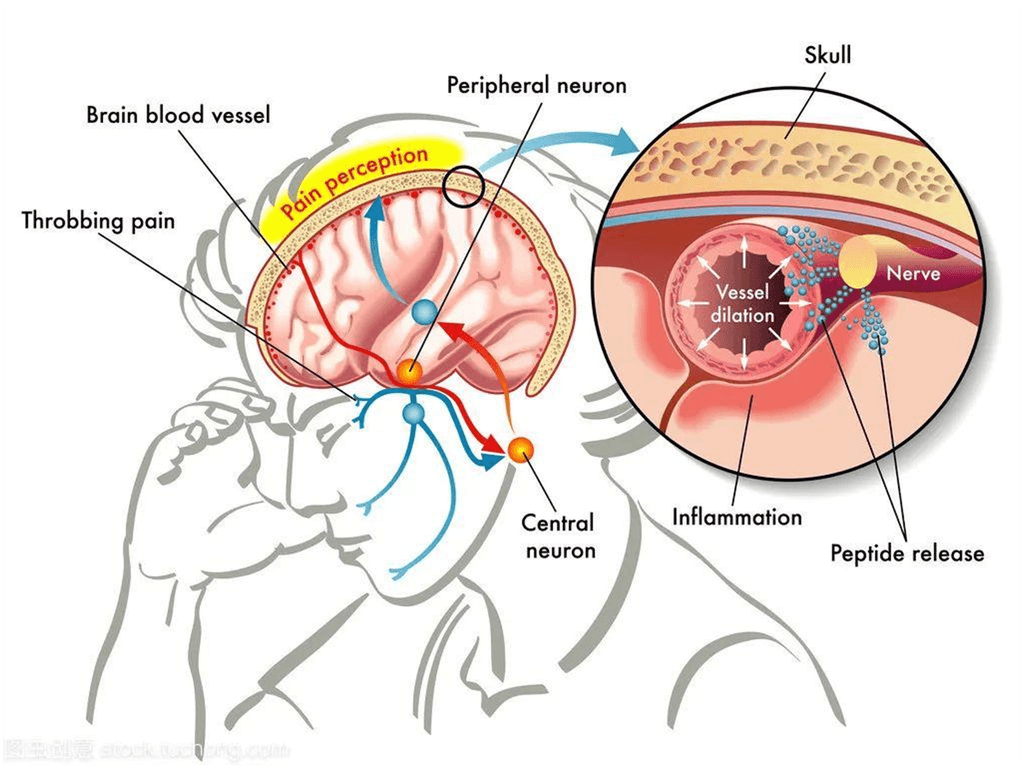
A migraine is a neurological condition that affects millions globally. Intense headaches – a very raw symptom of this disease – are usually combined with nausea, vomiting, dizziness, and visual disturbances such as blurred vision or loss of focus. While a lot of people think of a migraine as merely a headache, it can be far more serious, as it can affect the entire body, with a variety of neurological causes and symptoms.
While in some cases, people may have only one or two migraine days a year, others suffer from it constantly. In addition, attacks can vary significantly in length and duration, from a few hours to several days. Therefore, knowing the pattern and being able to identify warning signs and associated auras before the main symptoms’ appearance is essential to reducing the severity and duration of an attack.
Doctors distinguish between two main types of migraines: episodic and chronic. The former means that a person may have only several migraine days a month, while the latter refers to a condition in which headaches persist for the majority of days. Specifically, chronic migraine is diagnosed when patients have 15 or more headache days per month, including eight days with migraine characteristics.
How Long Do Migraines Last?
For most adults, the headache of a migraine typically lasts between 4 and 72 hours, while children often have attacks that are even shorter (between 2 and 48 hours, depending on the child’s age). However, these are only the headache symptoms, which are just a part of a migraine – depending on the type, a migraine attack can actually last much longer.
Typical migraine timeline
| Migraine Phase | Typical Duration |
| Prodrome | Several hours to 2 days |
| Aura (if present) | 5–60 minutes |
| Headache | 4–72 hours |
| Postdrome | 24–48 hours |
This means a person may feel exhausted, mentally foggy, or unusually sensitive for up to a week in rare cases, although 1–2 days is the most common overall duration.
Understanding the Four Phases of a Migraine Case Study
The Early Warning Stage
The first phase in migraine attack is referred to as the prodrome. During this stage, patients experience various warning sensations that last for a few hours or two days before the onset of a migraine. In fact, such migraine triggers as fatigue, yawning, irritability, craving for certain foods, stiff neck, increased urge to urinate, and sensitivity to light and sound occur in 60 to 75 percent of migraine patients but often go unnoticed because they are not visible signs.
Notably, these migraine stages result from activity in the deep brain and have nothing to do with the dilation of blood vessels. Keeping a headache diary is a great way to track down personal triggers as well as determine the most appropriate timing for medication to prevent a full-blown migraine attack.
Aura Phase: Visual and Sensory Changes
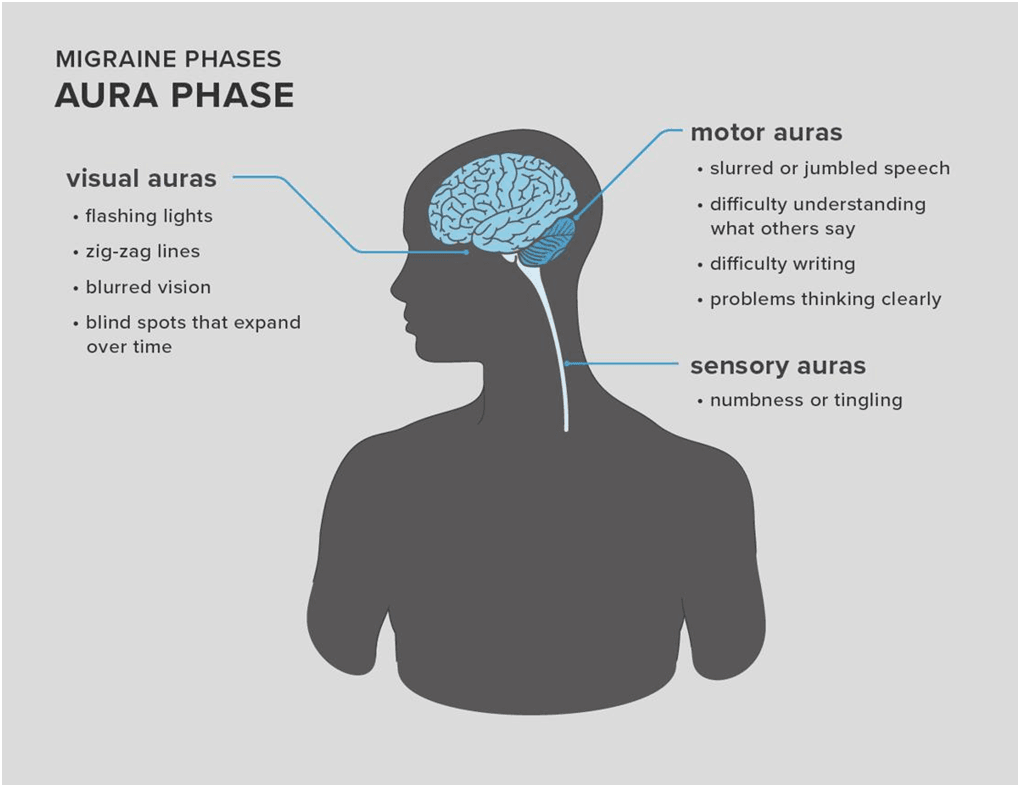
Only 25–30% of migraine sufferers experience aura. It usually evolves slowly over a few minutes and disappears within 5–60 minutes. It usually appears as visual phenomena (flickering lights, zigzag lines, blind spots in both eyes) and other visual hallucinations. However, some people have an aura involving other senses, such as numbness or paresthesia (tingling) in the face or body and difficulty speaking.
They are also fully reversible with no consequences but should still be taken seriously since they can be mistaken for a stroke. Moreover, experiencing an aura can be a sign that a migraine is coming, so it is critical to contact a doctor as soon as possible to mitigate the effects of a migraine.
Headache Phase: Worst Period
This is the stage, which is most commonly referred to as migraine – it usually lasts for 4-72 hours. The headache is revealed to be unilateral or bilateral. It should also be throbbing, drilling, pounding, or squeezing. It renders an individual incapable of performing any form of manual labor and is a very debilitating disease. Migraines make it hard to walk or climb stairs.
Nausea, vomiting, dizziness, neck pain, anxiety, as well as sensitivity to light, noise, and smell are additional symptoms. Reading newspapers or watching television is rather fatiguing to the patient. The duration of the headache varies from person to person depending on the genetic predisposition, hormonal fluctuations, levels of stress, amount of sleep, fluid retention, and the speed of attack control.
Postdrome Phase: Migraine Hangover
When the pain passes, sufferers believe that the misery is over, and they can quickly return to their daily routine. But it is not the case for most migraineurs, since around 80% of them experience migraine hangover or postdrome. This is a time, usually 24-48 hours or longer, after the main attack has finished when a person feels tired and weak. You may also feel disoriented, lightheaded, sore, moody, and other unpleasant sensations.
Thus, it is advised not to overexert yourself during the first day or two after an attack. Hard labor, heavy lifting, and even working at a computer for a long time can strain your body and retard your healing. Meanwhile, getting light exercise, drinking water, and eating nutritious food will help your nervous system manage the associated effects of the after-effects of a headache or migraine.
Migraine Duration by Type
Not all migraines are one type. Depending on the type, they can range in duration and have a unique set of accompanying symptoms.
Migraine without Aura
This is the most common type, making up 70-75% of all migraines. The headache is 4-72 hours long and is associated with nausea and hypersensitivity to light and sound.
Migraine with Aura
This type of migraine has an added period of neurological symptoms, called aura. Aura can last less than an hour, and the headache itself still lasts 4-72 hours.
Chronic Migraine
This is the least common type, but it is the hardest to deal with because it doesn’t have an obvious end. Headaches in chronic migraine patients last as long as 15 days or more with no more than one day without a headache. Because of so many days of headaches, the different stages of migraines run into each other.
| Migraine Type | Typical Duration |
| Migraine without aura | 4–72 horas |
| Migraine with aura | Aura 5–60 min + dolor de cabeza 4–72 horas |
| Chronic migraine | 15+ días de dolor de cabeza/mes |
| Silent migraine | Aura de 5 a 60 minutos, poco o ningún dolor de cabeza |
Why Do Some Migraines Persist for Longer Periods of Time?
Have you ever asked yourself why a migraine can be gone by the time you eat lunch, but why others can keep you down for days or even weeks? There is no single factor, but a confluence of biological and environmental factors.
Some of the most common causes are:
- Delayed treatment after symptoms begin
- Poor sleep or sleep deprivation
- Emotional stress and anxiety
- Hormonal fluctuations
- Dehydration
- Alcohol consumption
- Certain food triggers
- Weather and pressure changes
Early treatment appears especially important. Many headache specialists recommend taking prescribed acute medication during the prodrome or aura stage because treatment tends to be less effective once severe pain becomes established.
People who experience frequent migraines should also avoid medication overuse. Regular use of pain relievers on too many days each month may actually increase headache frequency, creating a cycle that becomes difficult to break without medical guidance.
Symptoms That May Persist Following Elimination of Discomfort
A prevalent myth is that the symptoms of migraine stop with the cessation of pain. Frequently, neurological symptoms continue beyond the headache and leave the patient with difficulties in returning to work immediately after an attack. There are also long-term manifestations of migraine, such as depression, anxiety, and chronic fatigue.
| Symptom | May Last |
| Fatigue | 1–2 days |
| Brain fog | 24–48 hours |
| Dizziness | Several hours to 2 days |
| Neck stiffness | Up to 2 days |
| Light sensitivity | 24 hours or longer |
These symptoms may be associated with the brain still being in the postdrome period. Instead of thinking of it as trying to be always productive, think of it as the equivalent of going after a marathon. Instead, you should rest and drink water, and limit sensory inputs generally, in order to recover faster than relying on caffeine or pretending not to feel sleepy.
How to Make a Migraine Attack End Faster
Extra Symptoms That You Can Help Alleviate at Home
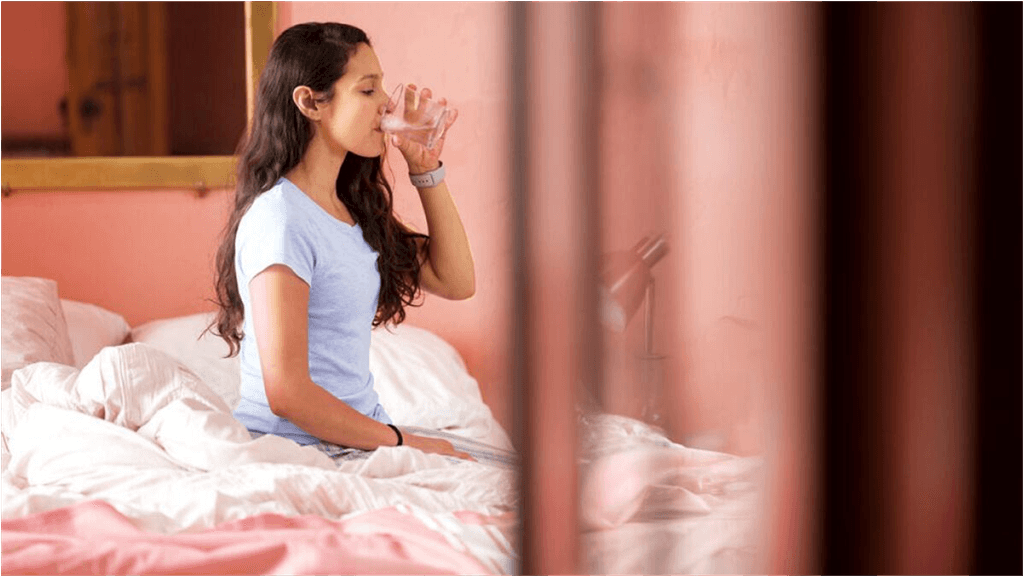
A migraine can’t be cured with home treatments, but they may help you feel better.
Some helpful measures are:
- 1. Rest in a dark room
- 2. Have plenty of fluids.
- 3. Place a cold pack on the forehead and neck for sweating, and on the back of the neck for chills.
- 4. Have a light meal (if no vomiting).
- 5. Self-massage or try to relax
- 6. Avoid screens and noise
But these measures should be taken in conjunction with specific drugs at the beginning of a migraine to avoid untimely pain.
Options for Medical Treatment
The need for treatment depends on the frequency and severity of migraines.
Healthcare providers usually advise:
| Therapy | Aim of the study |
| NSAIDs or acetaminophen | Attacks mild in intensity |
| Triptans | Moderate-Severe Migraine |
| Premedication with antiemetics | Inhibits vomiting and nausea |
| CGRP drugs | For prophylaxis in suitable patients |
| Prophylactic treatment | Decreases the number of migraines per month |
People who suffer from frequent migraines should consider going through a preventive treatment if the headaches are in any way hindering their life
When should I see a doctor?
Most are not dangerous, but a few signs require emergency medical evaluation.
Your emergency:
Call your emergency services provider if you ever have:
- A sudden “worst headache of your life”
- Weakness on one side of the body
- Confusion or loss of consciousness
- Difficulty speaking that does not improve
- Vision loss in one eye
- Fever with severe headache
- Migraine that lasts more than 72 hours
Status migrainosus is a migraine attack that lasts for more than 72 hours without significant relief.
Can Children Have Long Migraines?
Children and teenagers can have migraines. However, their attacks often look different from those in adults. A child under 10 years old may have shorter and less severe headaches that typically last 30 minutes to 2 hours, while older children usually have longer seizures that can persist for 2-48 hours. Moreover, younger patients often experience associated gastrointestinal and behavioral symptoms more frequently than adults, such as abdominal pain, vomiting, photophobia, and irritability, whereas not only one-sided headaches
Parents should consult a doctor about frequent headaches, school absences, vomiting, and odd movements or coordination issues.
Prevention of Future Migraine Attacks
While you can’t cure migraines permanently, some things can make a big difference in how often you get them and how bad they are.
Daily prevention practices
- Have a regular sleep schedule
- Drink plenty of fluids
- Eat healthy meals at regular intervals
- Get regular moderate exercise
- Limit alcohol consumption
- Learn to cope with stress
Also, keeping a headache diary to track potential migraine triggers is important. The main point is that migraine prevention requires a coordinated approach, in which several factors are taken into account. It is believed that the identification of an individual’s specific migraine triggers may be more effective than a generalized list of migraine triggers.
Internal Link
External Link
Conclusion
Thus, it is important to know that a migraine headache can last from 4 hours to 72 hours, while migraine itself can last for several days, including the prodrome and postdrome periods. The four stages of a migraine help understand the condition and respond to it properly.
As can be seen from the description presented above, each step requires one’s intervention and particular actions to minimize negative aftermath. If migraines start to appear more often, last longer than 72 hours, or any other change occurs, visiting a healthcare provider is necessary. Current treatment and proper course of action in relation to migraine attacks will reduce their harmful effect on one’s life.
FAQ’s
1. Can a headache persist for a week?
While it is rather unusual, a migraine can technically last for a week. However, migraine headaches quite rarely reach 72 hours – the point at which a migraine becomes chronic. Moreover, when considering the whole span of the attack with its different stages, they still hardly reach a week.
2. Is a 3-day migraine normal?
A 3-day migraine is nothing out of the ordinary since 72 hours is just the maximum duration of this type of headache. Also, there is nothing unusual about migraine attacks lasting more than three days.
3. Is an aura present in all migraines?
No, only 25-30% of people who have migraines are affected by a visual disturbance that comes before or right at the beginning of their migraine.
4. Why am I tired after the migraine has gone?
The strain of migraine accounts for a large proportion (18%) of the overall disease burden in people younger than 50 years. You could also be drained and lazy for two days after the migraine, because your brain’s still coming down from the high. I was so tired from my migraine I could have slept for two more days.
5. What do I drink to get a migraine away?
The best way to treat a migraine: “Stop it early and treat it adequately and aggressively with the appropriate agent and agents will vary from person to person,” says May, “but the sooner you handle the attack via the right treatment, the less likely it is to go on and the easier it is to manage.” Here are some methods to either cure or prevent the progression of a migraine if you are looking for ways to stop a migraine fast. You should also try to rest and to avoid any stimulating activities and bright lights.