Dangerous Herbal Products: Harmful Effects, Side Effects, and Safety (2026)
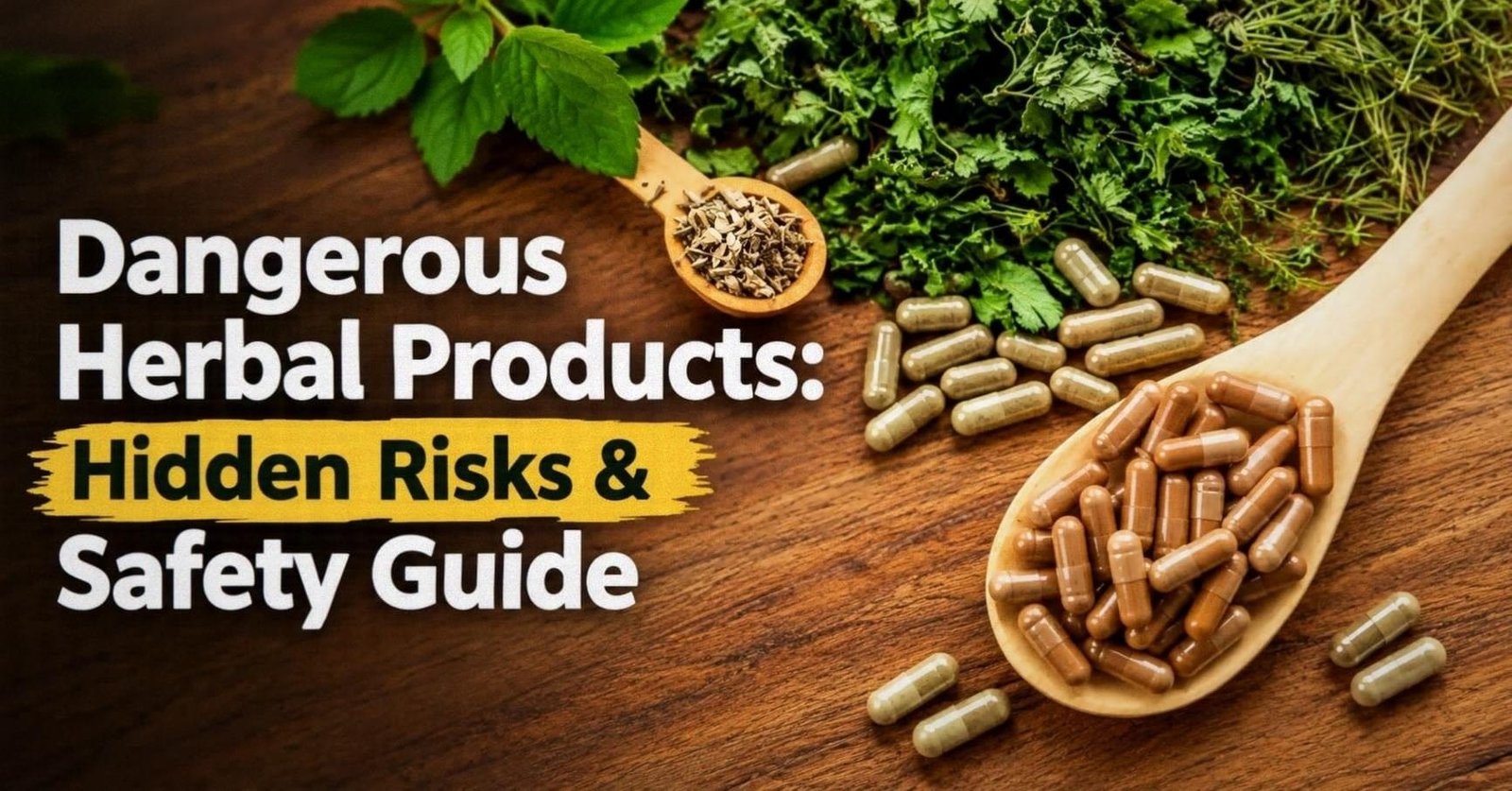
Though many people consider herbal products to be completely safe, there are plenty of dangerous herbal products out there — and many of these natural medications have potentially devastating side effects, cause negative interactions with other drugs, contain harmful additives, and may even require hospitalization.
As the global herbal market grows steadily, millions of people are turning to natural treatments and cures. However, while many herbs are useful and safe, some dangerous herbal products have raised concerns with health authorities. This guide will discuss what harmful herbal products are, what threats and side effects they pose, how to spot dangerous ingredients, and how to keep you safe.
What Are Herbal Products?
Herbal products are considered a type of dietary supplement that usually contains extracts from various parts of different plants or herbs, such as roots, leaves, seeds, flowers, etc.
They are generally employed to assist with:
- Weight loss,
- Coping with stress,
- Improving sleep quality,
- Getting more energy,
- Supporting the immune system,
- Helping with digestion,
- Reducing joint pain
These include ginseng, echinacea, St. John’s Wort, ginkgo bilboa, Kratom, etc. While these types of products are enthusiastically marketed to consumers, it should be noted that they are not regulated as medicinal drugs and are not subject to the same rigorous testing as pharmaceuticals before entering the marketplace.
Why Some Herbal Products Are Dangerous
There are several reasons why herbal products can be dangerous.
The reasons include:
- Contamination with heavy metals
- Pesticides
- Bacteria
- Toxic plants
- Industrial chemicals
So the products may be contaminated with harmful substances during their production, harvesting, packaging or storage.
Mislabeling is also common in the industry
A recent FDA survey showed that some products contained ingredients not listed on the label. For example, some products claimed to contain tejocote root. Still, laboratory tests detected the presence of toxic yellow oleander, a poisonous plant that affects the cardiovascular system and the nervous system.
Hidden Pharmaceutical Ingredients
Some weight loss, body building, or sexual enhancement supplements may contain unexpected prescription ingredients that could pose serious health risks.
Drug Interactions
Herbs can interact with drugs, making them less effective or more harmful.
List of Herbal Products That Are Dangerous
1. Kratom
This substance is an herbal product made from the leaves of the mitragyna speciosa tree.
The possible side effects of this product are as follows:
- Dependence
- Withdrawal signs
- Rapid heart rate
- Seizures
- Liver damage
There are still some safety concerns about this drug, and authorities are still studying it.
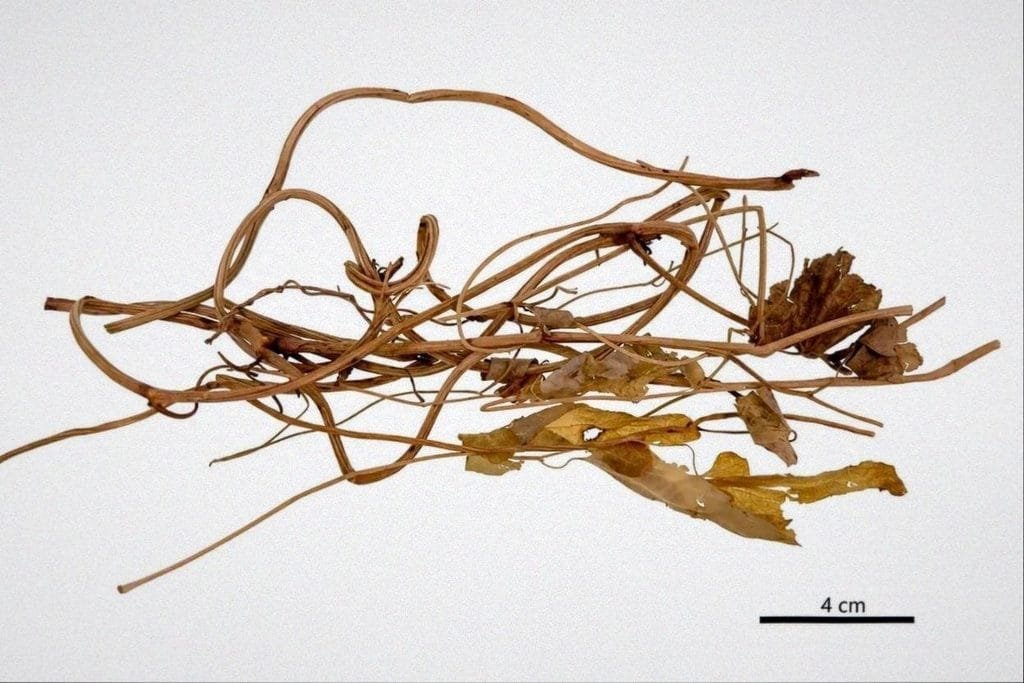
2. Aristolochia-Based Herbal Products
Aristolochia products contain aristolochic acid, which is connected to
- Kidney damage
- Kidney failure
- Higher cancer risk
Health authorities regard aristolochic acid as a dangerous substance
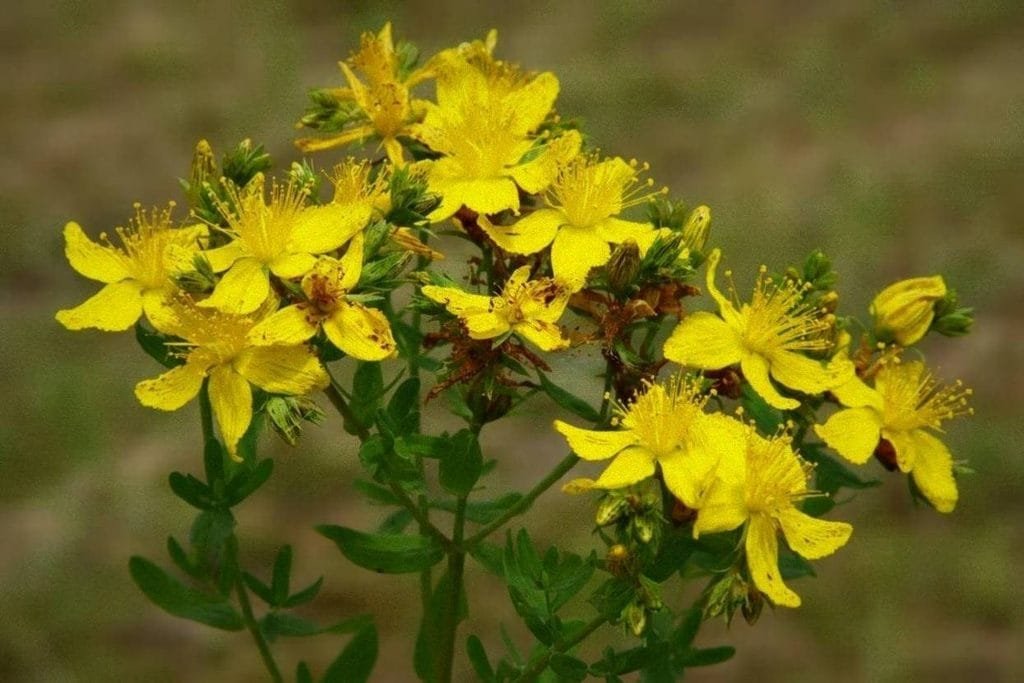
3. St. John’s Wort
Dramatic drop in the level of different drugs like
- Antidepressants
- Birth control pills
- Heart medicines
- HIV/AIDS medications
- Drugs used after organ transplantation
due to the use of St. John’s Wort, which is used for treating depression.
4. Particular Ayurvedic Goods
Unapproved Ayurvedic preparations have been discovered to have high concentrations of:
- Lead
- Mercury
- Arsenic.
Heavy metals can cause neurological problems, kidney damage, digestive problems, and other serious health problems.
5. Weight-Loss Herbal Preparations
Herbal weight-loss medicines are the most frequent cause of complaints to the FDA.
Hazards include:
- Hidden stimulants
- Toxins
- Elevated blood pressure
- Arrhythmias
- Liver damage.
The FDA recently issued a warning about weight-loss supplements that contain deadly yellow oleander, which may cause significant illness or death.
Signs of a Potentially Unsafe Herbal Product
Look out for these warning signs:
- Claims of curing serious diseases
- Promises of rapid weight loss
- “Miracle” health claims
- Ingredient secrecy
- Missing manufacturer information
- Foreign-language labels that aren’t properly translated
- Exclusivity to social media or unknown websites
Health authorities warn consumers to be wary of products that make unrealistic claims.
Common Side Effects of Dangerous Herbal Products
The symptoms depend on the products and their components.

Mild side effects
- Headache
- Nausea
- Dizziness
- Stomach upset
- Fatigue
Moderate side effects
- Increased heart rate
- High Blood Pressure
- Skin reactions
- Sleep problems
Severe side effects
- Liver damage
- Renal problems
- Bleeding
- Arrhythmia
- Neurological complications
- Poisoning
In case of severe side effects, contact a medical institution.
Drug Interactions Never to Be Ignored
Herbal supplements may affect drugs by changing absorption, metabolism, or excretion.
Examples include:
| Herbal Product | Possible Interaction |
| St. John’s Wort | Diminishes the Effects of Numerous Drugs |
| Ginkgo Biloba | May increase bleeding risk |
| Garlic Supplements | Can affect blood-thinning medications |
| Ginseng | May affect blood sugar control |
| Kava | Can increase liver toxicity risk |
Always discuss the supplements you use with your healthcare provider.
Who Is Most at Risk?
These populations are more likely to be harmed by herbal supplements:
Pregnant Women
Some herbs are detrimental to the fetus and mother
Children
A child’s body is still growing and developing, so adverse effects may be more severe.
Drug Interactions Never to Be Ignored
Herbal supplements can interfere with drugs at the level of absorption, metabolism, or excretion.
Choosing Herbal Products Safely
Follow these safety tips:
Research the Manufacturer
Select trusted brands that disclose ingredients.
Read Labels Carefully
Check:
- Ingredients
- Dosage recommendations
- Safety warnings
- Manufacturer details
- Avoid Unrealistic Claims
Be skeptical of products claiming to:
- Cure cancer
- Reverse aging
- Deliver instant weight loss
- Replace prescription medications
Inquire with your doctor or pharmacist.
Doctors and pharmacists can catch possible complications and interactions.
Seek medical advice and information.
If any side effects occur, report any adverse reactions to the appropriate health authority and seek immediate medical attention.
The Myth of the Natural and Safe
Myth: Natural equals safe. One of the biggest myths is that if it’s natural, it’s safe. Natural products can also be harmful.
Many natural substances can affect the body, for example:
- Blood pressure
- Heart rhythm
- Hormone levels in the body
- Liver or kidney function
Experts note that the terms “natural” and “safe” are not interchangeable.
The Future of Natural Products and Safety
At the same time, governments and regulators are taking steps to improve the safety of herbal products.
For example:
- More tests for contaminants
- Better manufacturing practices
- More education for consumers
- Better reporting on adverse events
- Tighter regulations and crackdowns on fake products
Consumers also have a responsibility to research products and report any suspicious products.
External Resources
- U.S. FDA Dietary Supplements Information
- FDA Consumer Guide to Dietary Supplements
- FDA Mixing Medications and Supplements Guide
Internal Link:
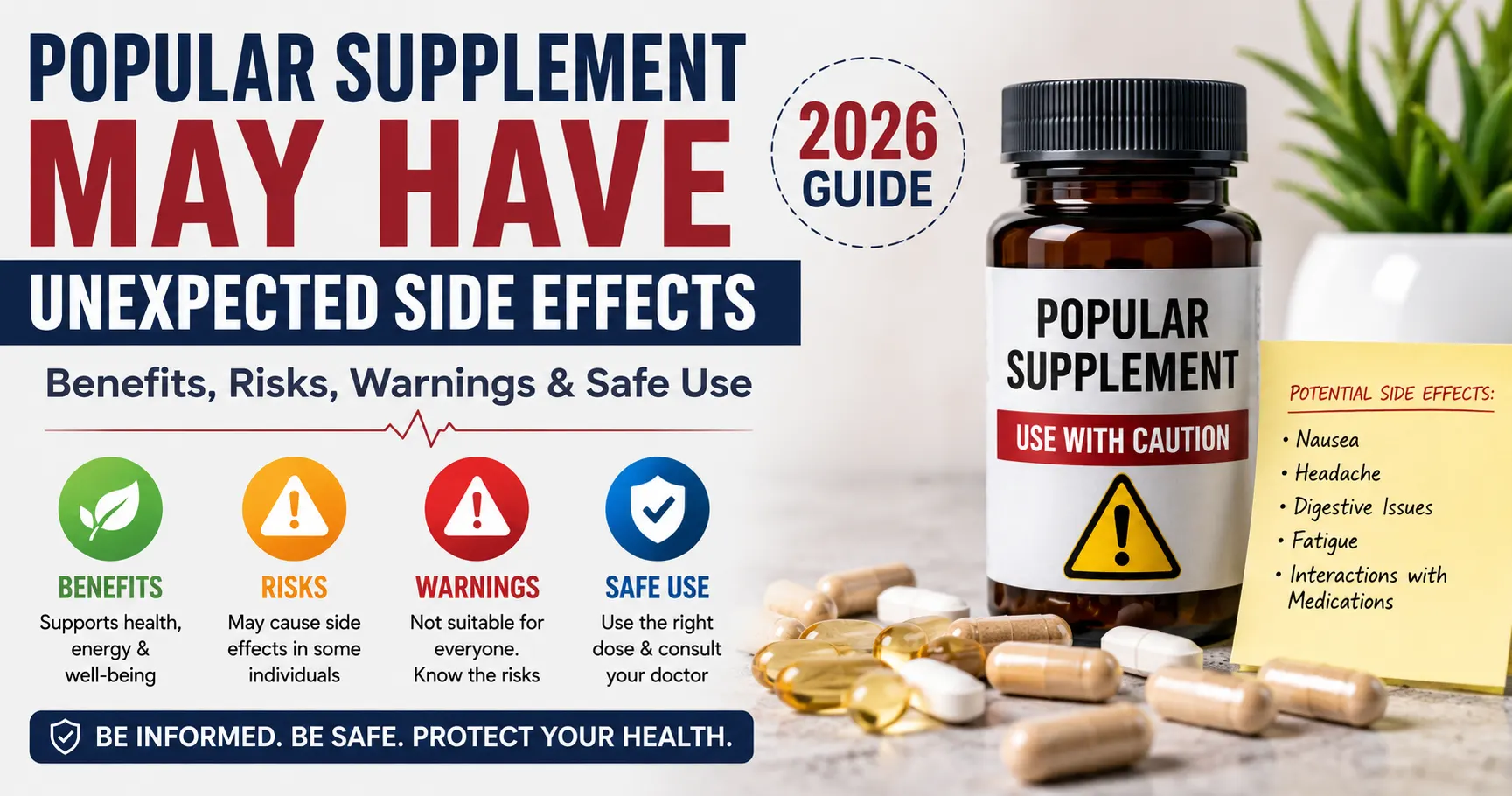
“Before using any herbal supplement, learn about potential risks and unexpected side effects by reading our guide on Popular Supplements That May Have Unexpected Side Effects.”
Conclusion
Despite the potential benefits of herbal products, dangerous practices constitute a major part of the current safety issues. One should be aware that many supplements could be potentially harmful. Sometimes they might include toxic substances, various drugs, heavy metals, or incorrect doses of the compounds listed on the packaging.
Recent safety alerts make it clear that it is essential to pay attention to such matters regarding herbal products. It is necessary to consult a specialist, examine the ingredients, and purchase supplements only in reputable pharmacies to feel safe and control one’s health correctly.
FAQs
Q1.What are dangerous herbal products?
These are herbal and natural products that contain toxic ingredients, harmful impurities, and other dangerous substances that may cause adverse effects.
Q2. Can herbal and natural products interact with other medication?
Yes, they can. Several herbal products contain active ingredients that can have adverse reactions with other drugs.
Q3. Are natural herbal products safe?
No, they are not. Natural herbal products can poison you, cause damage to vital organs, and can also cause drug interactions and allergic reactions.
Q4. Which herbs and products are considered dangerous?
The ones that can be laced with yellow oleander toxin, aristolochic acid, heavy metals, and other dangerous ingredients that can affect your body’s regular functioning are considered unsafe.
Q5. How can one know whether a herbal product is safe or not?
By checking the manufacturer, checking the label, not going for extraordinary claims, and consulting a medical professional.
Q6. What should one do if they experience side effects from herbal products?
You are advised to discontinue use of the product and consult your healthcare professional. If the effects are severe, it is advisable to inform the relevant authorities.