
Introduction
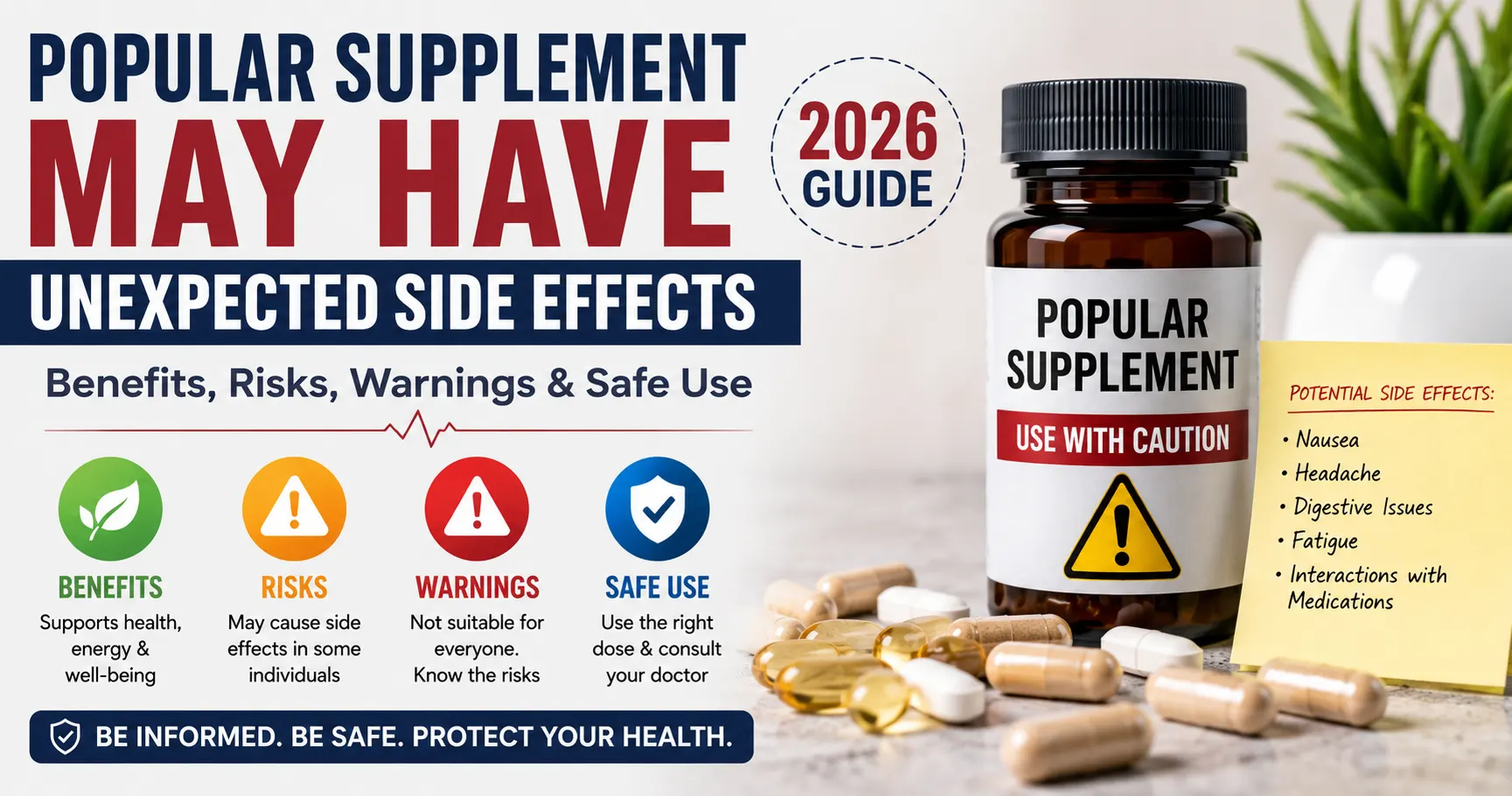
Popular Supplement May Have Unexpected Side Effects is a warning many consumers overlook when choosing products for better health, more energy, or nutritional support. Most people take dietary supplements hoping to feel better, stay active, and strengthen their bodies because they believe missing nutrients may affect daily wellness. Since these products are sold without prescriptions, they often appear harmless and easy to use. However, assuming a supplement is completely safe simply because it is widely available can be misleading.
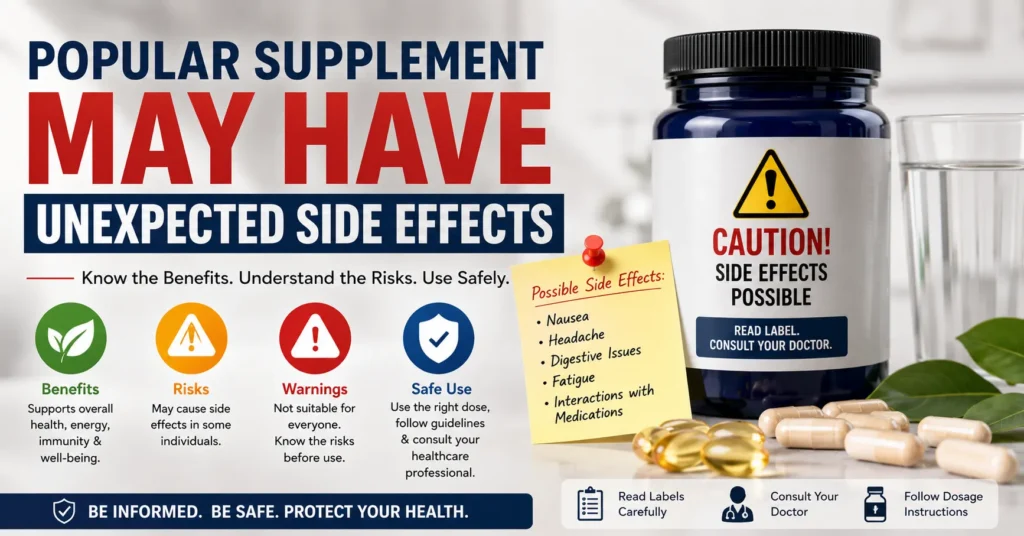
Even familiar supplements can cause adverse effects, especially when taken in large amounts or combined with medicines. Using a supplement for a long time without professional guidance may also increase risks. Some products can affect how organs function or interact with prescription medicines, and their effects may be mistaken for unrelated health problems.
Health groups like the WHO and the FDA often talk about knowing what’s in supplements. They stress clear labels so people understand what they’re taking, and staying aware matters when choosing these products.
Picture this: some everyday supplements might do more harm than good. Watch out for certain components – they’re trickier than they seem. Some individuals are much more susceptible than others. Safe is a relative term that requires more vigilance than most people practice. What seems harmless could shift your health in ways few expect.
1. What is a dietary supplement?
Sometimes, you may need additional nutrition to supplement your daily diet. Often, pills, powders, or liquids help fill in the gaps in your daily diet. Nutrients like vitamins are among these supplements. Herbs also sometimes contain natural compounds. Manufacturers create them to be easily absorbed by people. They’re placed on the shelf next to food items, but they’re not meant to replace real food. Each label indicates what’s inside the bottle or box. Some contain minerals your body uses every day. Others contain plant extracts whose effects have been studied. These supplements quietly fit into your routine, seamlessly blending into your habits.
- Vitamins
- Minerals
- Herbs
- Amino acids
- Probiotics
- Fish oils
- Plant extracts
Supplements are sold in many forms:
- Capsules
- Tablets
- Powders
- Gummies
- Liquids.
In the United States, dietary supplements are regulated differently from prescription medicines. The FDA does not approve dietary supplements for safety and effectiveness before they are marketed. Manufacturers are responsible for meeting applicable safety, quality, and labeling requirements, and the FDA can take enforcement action against products that violate the law.
2. Supplements Are Everywhere Now
Consumers use supplements for many reasons:
- Better immunity
- Increased energy
- Weight management
- Better sleep
- Muscle recovery
- Improved skin and hair
- Bone health
- General wellness
People are now more influenced than ever to take supplements because of what they see on the internet. Social platforms shape choices through personalities followed by many. Influence spreads fast when shared by familiar faces on screens. Demand rises as feeds fill with certain products. What trends often move into real life quickly?
3. Why Natural Isn’t Automatically Safe
One of the biggest myths in health marketing is that “natural” means harmless.
Some things from nature might yet:
- Raise blood pressure
- Irritate the stomach
- Trigger allergies
- Damage the liver
- Interact with medications
Affect hormone levels. There are things in nature that are like caffeine, nicotine, or some of the most poisonous plants. Just because they’re natural doesn’t mean they aren’t going to hurt you.
4. Some Common Supplements May Cause Unwanted Effects
4.1 Vitamin D
Good for bones – yet too much can cause problems like
High calcium levels
- Kidney stones
- Nausea
- Confusion Vitamin D
4.2 Iron
Helpful for deficiency, but unnecessary supplementation may cause:
- Constipation
- Stomach pain
- Vomiting
- Toxicity in children
Iron Supplements.
4.3 Magnesium
Often used for sleep or cramps, but high doses may trigger:
- Diarrhea
- Low blood pressure
- Weakness Magnesium preparations
4.4 Fish Oil
Popular for heart health, but possible issues include:
- Fishy burps
- Bleeding risk
- Digestive upset
Fish Oil.
4.5 Melatonin
Often used for sleep, but may cause:
- Morning drowsiness
- Headaches
- Vivid dreams
- Hormonal concerns in some users
Melatonin.
4.6 Ashwagandha
A trending herbal supplement that may lead to:
- Stomach upset
- Drowsiness
- Thyroid effects
- Rare liver concerns
Ashwagandha.
5. The Hidden Dangers of Vitamins and Minerals
A few nutrients are necessary in certain amounts and toxic in higher amounts.
Fat-Soluble Vitamins
Excess amounts of some fat-soluble vitamins can accumulate and cause harm:
- Vitamin A
- Vitamin D
- Vitamin E
Vitamin K is also fat-soluble, but it has a low potential for toxicity and no established tolerable upper intake level. It can still interact with warfarin and similar anticoagulants, so people taking these medicines should keep their healthcare professional informed about vitamin K intake.
Too much Vitamin A may affect the liver and safety.
Trace Minerals
Excess amounts of:
- Zinc
- Selenium
- Copper can create an imbalance or toxicity.
6. Herbal Supplements and Surprises of Side Effects
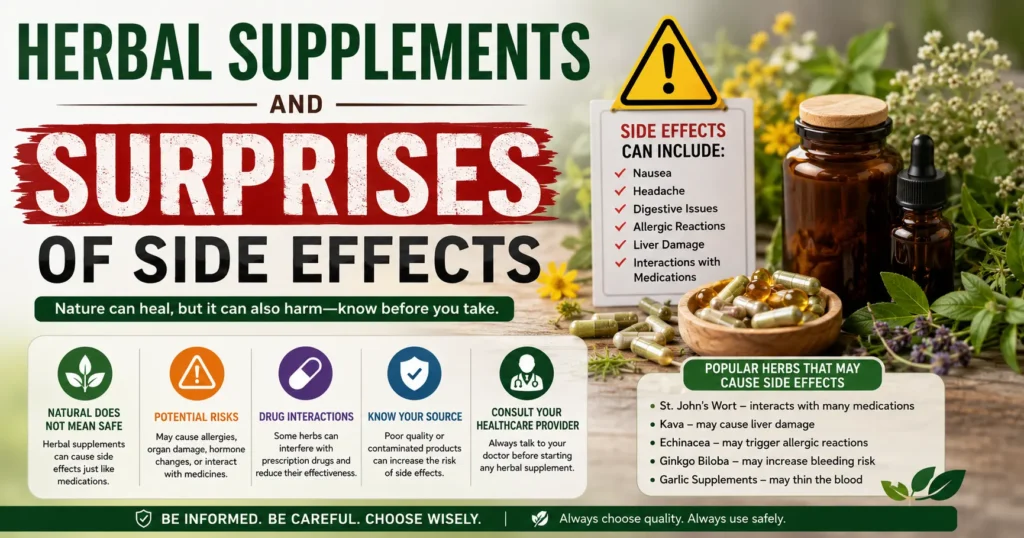
The substances in herbs are active, and they can affect the body.
Examples:
- Ginseng may cause insomnia
- St. John’s Wort may interact with medications
- Turmeric may irritate the digestive system in some people
7. Digestive Side Effects
Many supplements first affect the gastrointestinal system.
Common reactions:
- Bloating
- Gas
- Nausea
- Constipation
- Diarrhea
- Reflux
This may happen because of:
- High doses
- Fillers or sweeteners
- Empty-stomach use
- Sensitivity to ingredients
8. Heart and Blood Pressure Concerns
Some supplements stimulate the nervous system or alter circulation.
Examples include:
- High-caffeine fat burners
- Pre-workout blends
- Excess thyroid-support products
Potential symptoms:
- Rapid heartbeat
- Palpitations
- Anxiety
- Increased blood pressure
9. Liver and Kidney Risks
Supplements are among the many substances that are processed by the liver and kidneys.
Possible concerns:
- Concentrated herbal extracts
- Mega-dose vitamins
- Protein overload in vulnerable individuals
- Contaminated products
Liver Injury linked to some supplements has been documented in safety monitoring programs.
10. Mental Health and Sleep Effects
Some supplements may unexpectedly influence mood or sleep.
Possible reactions:
- Irritability
- Anxiety
- Restlessness
- Sedation
- Mood swings
- Insomnia
Even “calming” products may affect people differently.
11. Drug Interactions That You Should Know About.
Most people miss this risk completely.
Examples:
- High-dose omega-3 supplements may affect clotting. People taking anticoagulants such as warfarin should discuss supplement use with their clinician and follow any recommended monitoring.
- Calcium supplements can reduce the absorption of levothyroxine when taken together.
- Iron supplements can reduce the absorption of levothyroxine and levodopa. Interactions with antibiotics depend on the specific antibiotic; some tetracycline and quinolone antibiotics interact with minerals such as calcium or magnesium.
- St. John’s wort can interact dangerously with several medicines, including some antidepressants, birth-control pills, transplant medicines, and seizure medicines.
Before taking any supplements, talk to someone trained in health care.
12. Who Needs to Be Most Concerned?
The following groups may be at increased risk:
- Older adults
- Pregnant individuals
- Children
- People with kidney disease
- People with liver disease
- Individuals taking multiple medications
- Those using multiple supplements together
13. Safe Dosage and Label Reading
Always check:
- Serving size
- Total daily dose
- Active ingredients
- Added stimulants
- Allergens
- Third-party testing claims
Never assume “more is better.”
14. How to Select Quality Supplements
Look for:
- Reputable brands
- Transparent labeling
- Independent testing
- Manufacturing quality standards
- Realistic claims
Avoid products promising:
- Instant cures
- Extreme weight loss
- Guaranteed results
- “Doctor’s secret formula” hype
15. Warning Signs to Stop Use Immediately
Consult a doctor if you have:
- Rash
- Difficulty breathing
- Chest pain
- Severe vomiting
- Jaundice
- Fainting
- Irregular heartbeat
- Confusion
These symptoms require prompt attention.
16. How to Speak to Your Healthcare Professional about Supplements
Bring:
- Product bottles
- Ingredient lists
- Dosages
- How long have you taken them
- Any symptoms noticed
This helps professionals identify possible causes quickly.
17. Myths and Realities
Myth: You can safely take supplements at any time you want.
Fact: Some may have interactions with drugs to the extent that you need to modify the drug regimen.
FACT: Vigorous health is its own best supplement. Moderation is the secret, not only in your life, but in your diet.
Myth: You don’t have to be careful with natural ones.
Myth: Natural ingredients and products are to be used without any precautions.
Myth: If sold online, it must be tested.
Fact: Quality varies widely.
18. Future of Supplement Regulation
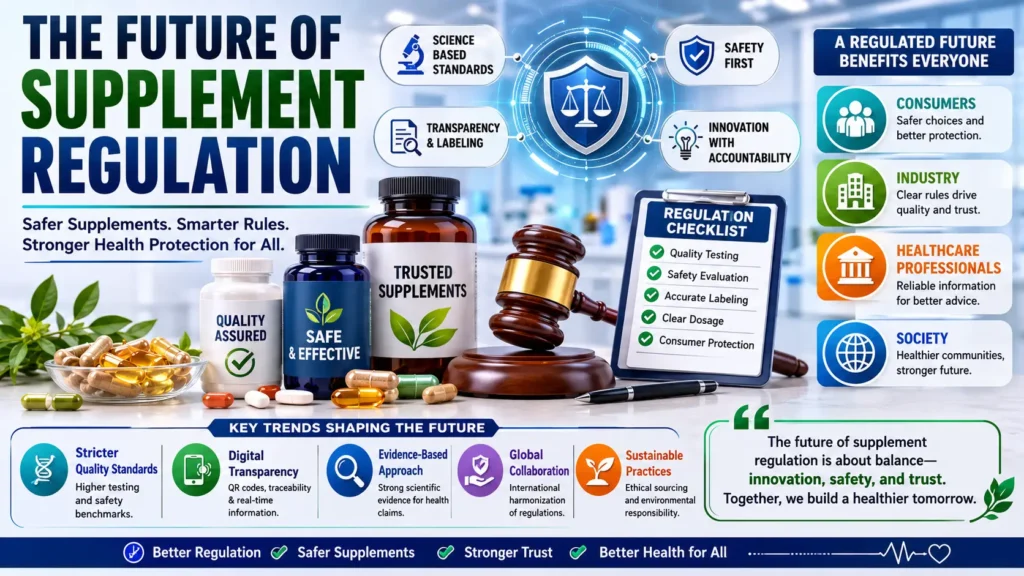
Consumers increasingly demand:
- Better labeling
- Cleaner ingredients
- Verified potency
- Safety data
- Transparent sourcing
Regulators worldwide continue reviewing supplement oversight.
External Resources
Internal link
- · Popular Supplement May Have Unexpected Side Effects
- · Popular Supplement Side Effects Guide
- · Benefits, Risks & Safe Use of Popular Supplements
- · Unexpected Side Effects of Dietary Supplements
- · Supplement Safety Guide
Additional ingredient-specific references: NIH ODS: Vitamin D; NIH ODS: Vitamin K; NIH ODS: Iron; NIH ODS: Calcium; NIH ODS: Omega-3 Fatty Acids; NCCIH: Ashwagandha; NCCIH: St. John’s Wort.
Conclusion
Most people take supplements thinking they help. Yet trouble sometimes shows up without warning. Too much of a good thing turns risky fast – especially with strong amounts. Cheap versions bought online might do more harm than good. Mixing several at once clouds how the body reacts.
Medicines already being taken could clash in ways not expected. Start smart – know each pill before it hits your hand. Why that dose matters comes down to your body’s needs. Fit checks matter just as much as labels do. Staying safe means matching choices to real conditions, not guesses. Goals stay on track when habits respect limits.
FAQs
Q1: What popular supplement may have unexpected side effects?
Some people take vitamin D along with fish oil. Melatonin slips into routines now and then. Iron shows up in daily stacks, too. Herbal items tag along just as often.
Q2: Supplements versus Medicines Safety Comparison?
It won’t happen by itself. How safe it is changes with how much you take, what kind it is, and your own body’s needs.
Q3: Supplements and Liver Damage Risk?
A few items packed tightly or tainted could harm the liver.
Q4: Should I Stop All Supplements?
Maybe not. Rely on proven options if required, following expert advice.
Q5: How do I know if a supplement caused symptoms?
When signs show up soon after using something, or fade once you stop, there could be a connection. A medical expert can help figure it out.
Medical Evidence and Safety Clarifications
This article discusses several different supplement ingredients; it does not identify one single “popular supplement.” Risks must therefore be assessed ingredient by ingredient, using the exact product label, dose, duration, medical history and medicines being taken. A general warning about supplements should not be interpreted as evidence that every person taking a supplement will experience harm.
Do not assume that “natural” means safe. Supplements can cause adverse effects, interact with prescription or over-the-counter medicines, interfere with laboratory tests, or create problems around surgery. Combining several products or taking high doses can increase risk. The FDA advises consumers to discuss supplements with a healthcare professional and to report suspected adverse reactions. If a serious reaction occurs, stop taking the suspected product and seek prompt medical advice; do not stop a prescribed medicine without professional guidance.
Use dose-specific evidence. The safety of vitamin D, iron, magnesium, fish oil, melatonin and herbal products differs by ingredient and amount. The article’s examples are not personal dosing recommendations. Do not start iron or high-dose vitamin D simply because fatigue, sleep problems or muscle cramps occur; the cause may need clinical assessment and, where appropriate, laboratory testing. Follow the product’s labelled serving and a clinician’s advice, particularly for children, pregnancy or breastfeeding, older adults, kidney or liver disease, and people taking regular medicines.
Regulatory clarification: FDA does not approve dietary supplements for safety or effectiveness before they are marketed. Manufacturers and distributors are responsible for ensuring products meet applicable requirements and that claims are truthful and not misleading. This does not mean supplements are unregulated; FDA has post-market oversight and enforcement authority.
Sources: FDA: Questions and Answers on Dietary Supplements; FDA: FDA 101—Dietary Supplements; NCCIH: Dietary and Herbal Supplements.
3 thoughts on “Popular Supplement May Have Unexpected Side Effects (2026 Guide): Benefits, Risks, Warnings & Safe Use”